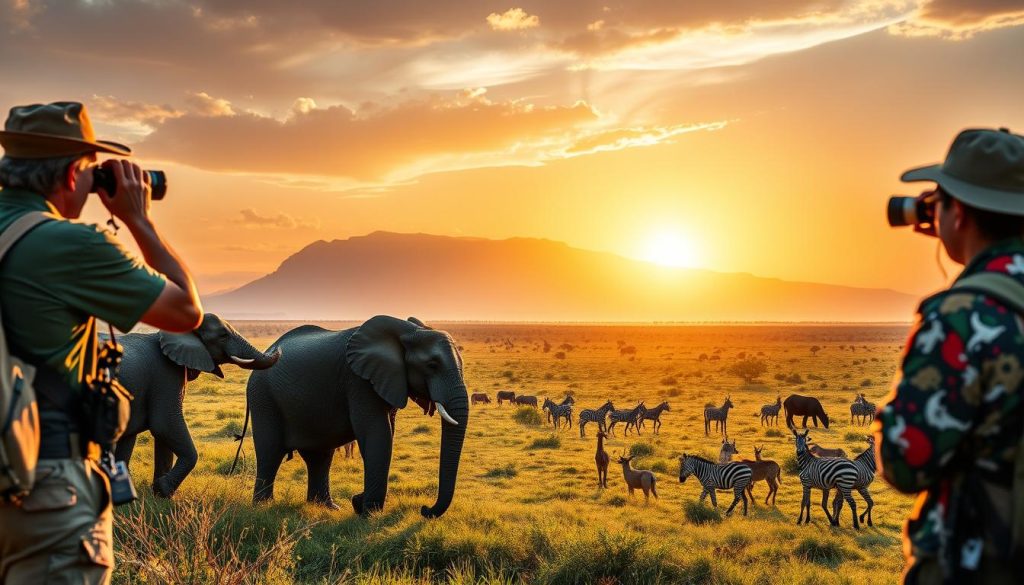
Forget what you know about saving species. The old image of lonely biologists counting birds? That’s so last century.
The Global Wildlife Program is rewriting the entire playbook. We’re talking stadium tours instead of garage bands.
The Kunming-Montreal Framework’s 30×30 target isn’t just ambitious paperwork. It’s becoming operational reality through unprecedented collaboration.
Twenty-three major organizations just signed the Sports for Nature Framework. Olympic committees and sports franchises are now part of global conservation.
This isn’t incremental change. It’s a paradigm shift making previous efforts look like neighborhood watch meetings.
We’re witnessing integrated ecosystem management replace isolated projects. The future of protecting our planet just got a serious upgrade.
Connecting Wildlife and Human Health: Zoonotic Risks Explained
Do you remember when COVID-19 made “zoonotic spillover” a common term? It showed us how important wildlife health is. It’s our shield against future pandemics.
Think of biodiversity as a natural defense against diseases. When nature is balanced, it stops diseases from spreading. Different animals help keep diseases from jumping from one species to another.
But, we’ve been messing with nature in ways that are bad. By destroying habitats, we make it easier for diseases to spread. It’s like creating highways for diseases to travel from animals to us.
Let’s look at how this happens. When we cut down forests, animals get too close to each other and to us. This makes areas where diseases can spread easily.
The science behind this is both interesting and scary. Studies show that cutting up landscapes can make Lyme disease risk go up by 70%. This is because there are more mice carrying Lyme disease and fewer animals to control them.
Wetlands being destroyed is another example. When we drain them, we make it easier for bird flu to spread. Birds gather in what’s left, viruses grow, and we face a possible pandemic.
| Ecosystem Change | Disease Risk | Mechanism | Prevention Strategy |
|---|---|---|---|
| Forest Fragmentation | Lyme disease increase | More host mice, fewer predators | Maintain forest corridors |
| Wetland Destruction | Avian flu amplification | Bird concentration, virus spread | Protect wetland ecosystems |
| Urban Encroachment | Bat-borne diseases | Forced human-wildlife contact | Buffer zones around habitats |
| Wildlife Trade | Multiple zoonotic risks | Stress-induced virus shedding | Strengthen trade regulations |
This isn’t just theory – it’s real prevention. Saving forests and wetlands is like investing in our health. The link between wildlife and human health is clear and urgent.
Learning about these connections could stop the next big health crisis. Conservation isn’t just about animals. It’s about protecting ourselves from our own mistakes.
From Illegal Trade to Wildlife Economies: 2024’s Biggest Challenges
Welcome to the dark side of conservation, where wildlife trafficking has turned cyberpunk. Gone are the days of simple poachers in the bush. Now, we face global crime groups using secret apps and dark web sites. They move everything from rhino horns to pets with Amazon-like speed.
Climate change isn’t just about melting ice. It’s also creating new paths for smuggling. As the Arctic thaws and animals migrate, new routes for illegal trade open up. It’s as if nature itself is fighting against our conservation efforts.
But there’s a twist: while the bad guys get smarter, so do the solutions. We’re seeing real wildlife economies emerge, valuing life over profit. Ecotourism is no longer just a feel-good activity. It’s becoming a key part of the economy.
Let’s look at some new conservation economies:
- Carbon credit systems that value intact forests
- Biodiversity offset programs where developers pay to protect ecosystems
- Wildlife-friendly certifications that premium brands pay for
- Conservation-focused crypto projects (yes, really)
The economic view is changing. In many places, a living elephant through tourism is worth 76 times more than a dead one. Capitalism is slowly catching on that ecosystems are worth preserving, not just for profit.
But the fight is tough. Wildlife crime uses the same tech as online shopping. With cryptocurrency, social media, and fake certificates, it’s hard to catch them. It’s like wildlife crime has Silicon Valley’s efficiency.
The real fight isn’t just stopping the bad guys. It’s making conservation so valuable that it’s irresistible. When local communities make more from protecting nature than exploiting it, we see real change. It’s time for traditional economics to shift from taking to preserving.
Major Success Stories: Tigers, Bison, and More
Let’s talk about the big wins in conservation. These successes show that our wildlife conservation efforts are making a real difference. While we were all doom-scrolling, some species were quietly making a comeback.
Tiger numbers in Nepal and India went up by 40% in ten years. American bison returned to tribal lands after 150 years. Sea turtle nests hit records on beaches that were once dead zones. These successes show that conservation works when we act together.
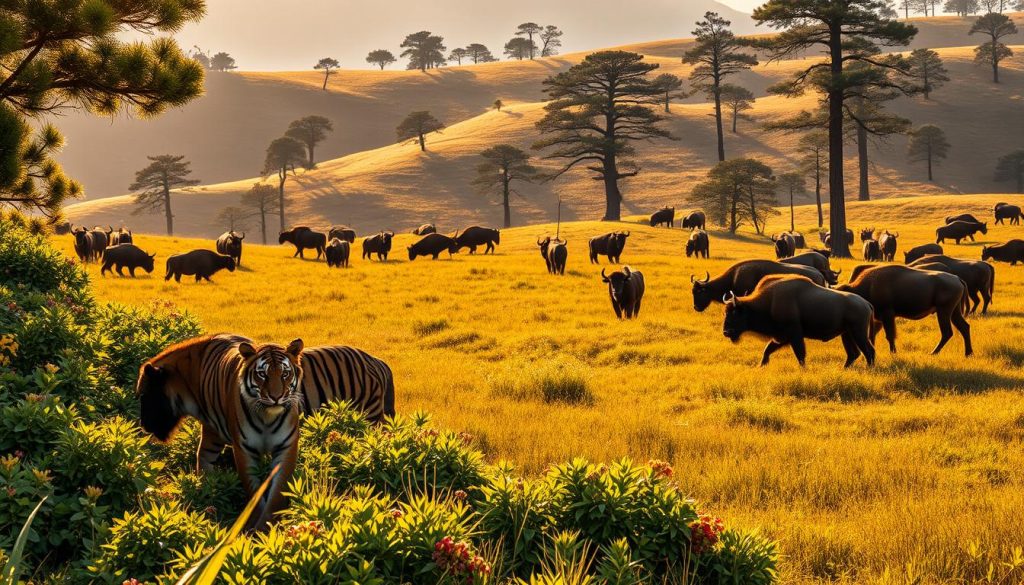
So, what made these recoveries happen? It’s the same thing that makes any team great: science, community, policy, and determination. It’s like the 1990s Chicago Bulls – when everything comes together, amazing things happen.
Take tiger recovery. Nepal didn’t just put guards in forests. They used:
- DNA-based monitoring systems
- Community-based anti-poaching units
- Cross-border conservation corridors
- Economic incentives for local communities
The result? Tiger numbers went from 121 to 235 in twelve years. That’s not luck – it’s careful planning.
Also, American bison made a big comeback. The Iconic American Species Act of 2019 helped, but tribal nations were the heart. They welcomed back bison to their ancestral lands after 1870s.
This wasn’t just a trip down memory lane. It was about fixing the environment and reconnecting with culture. Bison help the grasslands, increase diversity, and bring back cultural ties. Who says you can’t go home again?
| Species | Recovery Timeline | Key Strategy | Population Increase |
|---|---|---|---|
| Tiger (Nepal/India) | 2010-2022 | Integrated habitat management | 40% |
| American Bison | 2019-2024 | Tribal-led reintroduction | 23 new herds |
| Sea Turtles (Florida) | 2015-2023 | Beach restoration & lighting laws | Record nest numbers |
| California Condor | 1987-2024 | Captive breeding program | From 27 to 500+ |
The table shows the real story – different conservation strategies leading to real results. From fixing habitats to restoring cultures, successful wildlife conservation efforts fit local needs while keeping science at the core.
These successes share a common thread: long-term effort, flexible management, and community support. They prove that species recovery is real and happening now, in many places.
The best part? These stories give us a blueprint for more recoveries. The plan is there – we just need to follow it for other species on the brink.
Indigenous and Tribal Conservation Leadership
Western science is catching up with what indigenous wisdom has known for ages. You can’t separate people from nature without harming both. Traditional communities have been living this truth for centuries. The shift in global conservation is not just coming; it’s already underway.
Fire management is a great example. While California spends billions fighting wildfires, indigenous communities use controlled burns to prevent big fires. They’ve been doing this for thousands of years. It’s like watching someone invent the wheel while others are dragging things.
Indigenous territories protect 80% of the world’s biodiversity, covering only 22% of land. This is better than most national parks. These numbers show sophisticated land management systems.
Traditional ecological knowledge is not just stories. It’s data collected over thousands of years. It’s like the original big data analytics for nature. While we measure ecosystems in short reports, indigenous communities think in generational cycles.
The real shift is that conservation is now happening with and by communities. International frameworks now recognize this. The UN’s Global Biodiversity Framework acknowledges indigenous leadership. It’s about time.
This recognition changes everything in global conservation. It means listening to those who’ve been succeeding where others failed. It means valuing knowledge that comes from ancestral wisdom, not just academic credentials.
| Conservation Approach | Biodiversity Protection | Community Involvement | Long-term Sustainability |
|---|---|---|---|
| Traditional Indigenous | 80% success rate | Full participation | Generational planning |
| Western Protected Areas | 65% success rate | Limited involvement | 5-10 year cycles |
| Hybrid Models | 75% success rate | Growing collaboration | Mixed timeframes |
| Corporate Conservation | 50% success rate | Token participation | Quarterly focus |
The table shows the story better than any speech. Indigenous approaches outperform in every area. They’re not just protecting nature; they’re showing us how it’s done.
This isn’t about replacing Western science. It’s about creating a conservation orchestra where different knowledge systems play together. The result? Better music for everyone.
The Sports World Steps In: Teams, Athletes, and Fan Engagement
Who knew stadium lights could double as conservation spotlights? The Sports for Nature Framework has turned athletic giants into unexpected environmental champions.
Twenty-three major organizations now champion ecological causes. The International Olympic Committee leads this green revolution. Even World Sailing navigates toward sustainability.
Forest Green Rovers shows what’s possible. This football club became the world’s first carbon-neutral team. Their stadium features organic pitches and wildlife corridors.
Major events now fund conservation projects directly. Super Bowl initiatives support local habitat restoration. Marathon races adopt pollinator-friendly routes.
Athletes leverage their platforms brilliantly. LeBron James discusses habitat connectivity. Serena Williams advocates for pollinator pathways.
| Sports Organization | Conservation Initiative | Impact Scale |
|---|---|---|
| International Olympic Committee | Carbon-neutral events | Global |
| World Sailing | Ocean clean-up programs | International |
| Forest Green Rovers | Wildlife corridors | Local ecosystem |
| NBA Green Games | Habitat restoration funding | National |
This isn’t mere greenwashing. It’s infrastructure transformation. Stadiums become biodiversity hubs. Events turn into fundraising platforms.
The intersection of sports and nature creates unprecedented reach. Athletes engage audiences conservationists never could. Suddenly, millions care about migrating species.
Sports franchises recognize their environmental footprint extends beyond carbon. They’re addressing actual habitat impact. The playing field now includes ecological stewardship.
Education and Grassroots Movements: Tools for Teachers and Families
Remember when conservation education was just coloring books of sad polar bears? We’ve moved on. Today, it’s like a sci-fi movie where people become data-collecting heroes. Your backyard is now a research station.
Today, we see a “democratization of discovery” where kids’ birdwatching apps help science. That family hike is now about tracking biodiversity on apps like iNaturalist. Who knew your phone could be a field research tool?
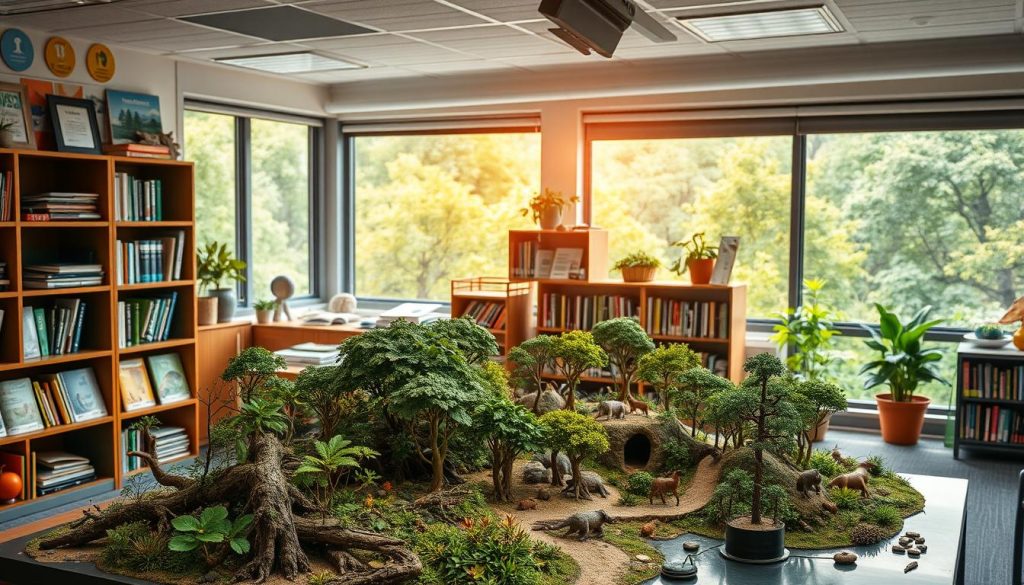
Teachers now use real-life labs instead of textbooks. Schools work with local groups for habitat projects. Students learn by doing, not just reading.
The curriculum has changed for the better. We’ve moved from simple posters to deep learning. Students learn about systems, data, and community, all while exploring nature.
Here’s what makes modern conservation education so effective:
- Citizen science programs rival professional research
- Digital tools turn nature appreciation into data
- Community-based projects show results in local areas
- Intergenerational learning makes families conservation teams
This approach builds political will through personal stories. Seeing bee populations decline in your area makes policy debates real. When kids grow plants, funding for conservation becomes a must.
This isn’t just education; it’s empowerment. It makes global biodiversity loss feel manageable through local actions. Your phone, backyard, and park are all part of the conservation fight.
The revolution won’t be televised; it’ll be seen in school projects and community gardens. And that’s the most hopeful thing in conservation yet.
Volunteers, NGOs, and Community-Driven Change
While politicians talk in air-conditioned rooms, real work happens on the ground. Let’s honor the unsung heroes making wildlife conservation efforts real.
NGOs are like conservation’s special forces. They are quick, focused, and often do more with less. Groups like the World Wildlife Fund and Nature Conservancy rebuild ecosystems. They mix global knowledge with local insight, impressing even diplomats.
Volunteer programs are like a network of conservation. They often outdo official efforts. From community science projects to beach cleanups, they combine action with community support. Their work often leads to policy changes, showing the power of grassroots action!
What makes these efforts so effective? Three key points:
- Cultural intelligence: Local volunteers know ecosystems better than outsiders
- Agility: No red tape means quick action against threats
- Sustainability: Communities keep projects going long after NGOs leave
In Montana, community programs track wolf populations better than state agencies. In Detroit, volunteers create wildlife corridors where city planners saw only blight. This isn’t just activism; it’s building conservation infrastructure from the ground up.
The strength of these wildlife conservation efforts is their distributed nature. Unlike top-down approaches, volunteer networks and NGO partnerships are resilient. When one project faces issues, others adapt and keep going.
These efforts show conservation is about more than saving animals. It’s about reconnecting with nature, one community, one volunteer, one restored acre at a time. The future of conservation is in the hands of those who care enough to act.
Creating Lasting Change: Policy and Participation
Policy documents might not be exciting, but they’re key to protecting our environment. While we celebrate wildlife successes and community efforts, a big change is happening. The unseen machinery of global conservation is moving from small steps to big, connected networks.
The Kunming-Montreal Framework is more than just a UN document. It’s changing how countries deal with biodiversity loss. It’s moving from just protecting areas to seeing species as part of a bigger picture. This means creating wildlife paths through cities and towns.
But, there’s a hard truth: frameworks need to be put into action. We need systems that turn promises into real, working ecosystems. This includes community-led monitoring and giving Indigenous groups real power, not just advice.
Think of it as ecological plumbing—the behind-the-scenes work that keeps conservation going. Without clear reports and access to justice, even big goals like 30×30 are just numbers. Research shows that good policy needs science and local governance to work.
The new era of global conservation policy is all about connecting ecosystems. It’s about making sure animals can move freely across landscapes. This means creating paths for wildlife and planning cities with nature in mind.
So, yes, read those policy documents—or at least the summaries. Knowing about this policy infrastructure could decide if our future generations have real ecosystems or just records of failure.
The Path Forward: How Readers Can Get Involved
So you’ve read about the stakes—from zoonotic spillover risks to sports teams rallying for nature. What now? Your move.
Start with your wallet. Choose wildlife-friendly products. Look for certifications like FSC for wood or Rainforest Alliance for coffee. Your daily choices shape markets.
Push for policy. Write to reps about conserving habitats. Better laws protect wildlife health and prevent future pandemics.
Join citizen science. Apps like iNaturalist let you log species. Your data aids real research.
Support local efforts. Volunteer with groups like The Nature Conservancy. Or rally your community—maybe even through sports and nature events.
This isn’t about grand gestures. It’s about consistent, smart action. You’ve got the tools. Use them.