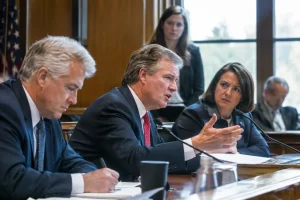
Ever wonder what goes on behind the polished marble corridors in Geneva? Imagine a global game of musical chairs. Nations compete for position while claiming to uphold human dignity. The recent diplomatic changes tell an interesting story.
New Zealand recently stepped out of the game like a player folding a weak hand. The United States, on the other hand, returned to its seat as if nothing had happened. This isn’t just paperwork. It’s high-stakes diplomatic poker where human rights meet hardball politics.
This council is seen as the world’s moral compass. But behind the scenes, it’s more like a geopolitical chess match. Moves are planned years in advance. Let’s uncover what really drives this powerful international body.
Why New Zealand Withdrew and the US Came Back
Imagine the UN Human Rights Council as a high-stakes poker table. New Zealand just folded its winning hand while America slid back into the game with a stack of chips. What gives?
New Zealand’s exit isn’t about solved problems. Their own Human Rights Commission submission reads like a human rights bingo card waiting for completion. From Māori rights gaps to prison overcrowding, the challenges remain very much present.
So why would a self-proclaimed human rights champion walk away? This might be the diplomatic equivalent of quitting before you get fired. Sometimes it’s better to leave the party early than be the last one standing when the music stops.
On the other hand, the US is making its comeback tour after a four-year hiatus. The Biden administration’s return signals more than just filling an empty seat – it’s about reclaiming moral leadership on the global stage. America’s re-entry represents a significant shift in US global policies toward multilateral engagement.
The real question isn’t about empty chairs but calculated moves. Is this about principle or positioning? For New Zealand, withdrawing might be strategic New Zealand diplomacy – focusing resources where they can make real impact.
For the US, returning to the council represents a recalibration of US global policies under new leadership. It’s the diplomatic version of “we’re back” – with all the promises and pitfalls that come with that declaration.
Both moves reveal deeper truths about international human rights advocacy. Sometimes stepping away from the table speaks louder than staying put. And sometimes returning to the game matters more than the hand you’re dealt.
These aren’t random decisions but carefully choreographed diplomatic dances. The music changed, and both nations adjusted their steps.
International Responses: Analysis and Opinion
Watching global reactions to this diplomatic reshuffle is like watching a dramatic reality TV show. Everyone has an opinion, and they’re not shy about sharing it. The international relations community is buzzing with hot takes, like a fresh espresso.
Some analysts see New Zealand’s exit as a bold move. They think it’s better to focus on real human rights work elsewhere. It’s like quitting a book club that only argues about covers without reading the books.
Others see it as abandoning ship during a storm. They argue that leaving the United Nations Human Rights Council creates a vacuum. This vacuum is filled by less democratic nations, leaving a mess for others to clean up.
Global Perspectives on Council Engagement
The United States’ return also gets mixed reviews. Supporters see it as a return of “adult supervision” to the playground. Detractors ask, “Where were you when we needed adult supervision?”
European responses are fascinating. Diplomats privately welcome American engagement but publicly stay neutral. It’s like watching someone greet an ex at a party – polite but complex.
New Zealand’s approach through the UPR process is interesting. They’re not giving up on human rights work. They’re just choosing their battles more strategically. It’s like moving from a buffet to à la carte ordering in international relations.
The real story isn’t about who’s at the table. It’s about how nations value symbolic participation versus real results. Some countries see Council membership as a trophy. Others see it as a toolbox, only valuable if it works.
This situation reveals deeper truths about how blocs view the United Nations. The gap between perception and reality in international relations is huge. And it’s also very entertaining to analyze.
Sports Activists for Human Rights: Influencing Policy and Opinion
While diplomats talk in cool rooms, athletes are changing the game on human rights. The field is now where real moral stands get noticed worldwide.
Take Colin Kaepernick’s knee. He didn’t just protest police violence—he shook the world. Athletes have a power politicians can only dream of: reaching everyone, without the usual diplomatic talk.

The Unlikely Game Changers
Today’s athletes are like modern-day gladiators, but with Twitter and sponsors. They don’t worry about upsetting countries. When FIFA is criticized for its host nations’ human rights, we see sports for human rights in action on the biggest stages.
These activists use their platforms in ways that make old diplomacy seem old-fashioned. They can:
- Reach people who never read news
- Create viral moments that cross borders
- Pressure sponsors and groups through public shame
- Make human rights talks easy to understand through sports
When Jersey Numbers Speak Louder Than Policy Papers
Stadiums are now better than council rooms for some human rights messages. Remember when NBA players wore “I Can’t Breathe” shirts? That simple act said more about racial justice than many debates.
This isn’t just about big actions. The sports for human rights movement includes:
- Players using interviews to talk about injustices
- Teams boycotting events in countries with bad rights records
- Athletes starting foundations for causes
- Sports groups adding human rights clauses in contracts
The magic is when sports figures connect abstract ideas to real stories. They make complex issues easy to understand and remember.
The New Playbook for Change
What makes sports for human rights advocacy so powerful? It’s based on emotions, not just rules. An athlete’s protest feels real because they risk their careers, not just points.
This movement has brought together unexpected allies and started conversations governments avoid. When stars speak out, everyone listens, sponsors worry, and human rights become popular topics.
The field has become democracy’s unexpected town square. And the view from the stands might be better than from diplomatic seats.
The Politics of Council Membership
Let’s look behind the scenes of how countries get seats at the human rights table. It’s not about who deserves it most. It’s more about political games.
The Membership Game
Imagine high school student council elections, but with countries and their power. They campaign for seats like politicians, making promises and forming alliances.
The system makes sure every region gets a say. Sounds fair, but it means good countries might sit next to those who don’t follow rules.
New Zealand has tried to be a good example. But, they’ve decided to leave, showing their frustration with the system.
The Election Process Reality
To get elected, countries need to win over votes and make deals. It’s not about your human rights record. It’s about who you know and what you promise.
Here are some facts about council membership:
- Regional groups often pick candidates before elections, making it unfair
- Countries make promises they might not keep
- Votes often go to countries based on alliances, not human rights
- The focus is on diplomatic skills, not real human rights progress
This system lets some members investigate human rights abuses while others commit them. It’s like having arsonists on the fire safety committee.
The politics of council membership show harsh truths about international diplomacy. Sometimes, the best move is to leave the table.
Human Rights Campaigns With Sports Celebrities
When LeBron James tweets about human rights in China, the world listens. This is more impactful than any UN resolution. Celebrity activism has become a key way to reach people globally.
Celebrities now have a big role in world affairs. They mix their fame with moral standing. It’s both captivating and a bit scary.
The Celebrity Diplomacy Phenomenon
Why do athlete-led advocacy campaigns work so well? They speak a common language. LeBron’s posts reach millions fast, while Megan Rapinoe’s advocacy is clear and direct.
These campaigns use social media and partnerships in new ways. They’re like precision attacks in the information battle.
But, there’s a risk. Celebrities can change their minds quickly. They might support causes one day and ignore them the next. It’s a big moral challenge.
The best advocacy campaigns balance fame with steady effort. They aim for real change, not just awareness. Colin Kaepernick’s work on racial justice is a good example.
These athletes work in gray areas. They can criticize governments openly. This makes autocrats worry about their image.
But, we shouldn’t think viral moments lead to real change. The true test is lasting policy changes. Without that, it’s just showy activism.
The future of human rights might rely on this mix. Celebrity power and grassroots efforts could lead to big changes. Or it might just be a short-lived trend.
Implications for Human Rights Advocacy
What happens when we throw away the old human rights playbook? We see a new world where many voices matter. It’s a mix that makes diplomats dizzy.
Now, we have many players like celebrities, big companies, and online groups. It’s like America’s Got Talent but with real lives at stake.

New Players, New Rules
New Zealand leaving the Human Rights Council is a big sign. They think some countries are looking for new ways to make a difference. Why stick to old ways when you can use social media?
This change brings both chances and challenges. More voices mean more pressure. But, if messages don’t match, efforts can fade fast.
The future of global governance might not be about old tables. It could be about creating new ones or using digital ways to connect.
The Double-Edged Sword of Fragmentation
Imagine a symphony with some following sheet music and others playing jazz. That’s today’s human rights work.
Sports stars can break through red tape. NGOs bring real stories. Companies offer resources and reach. But, without working together, it’s just a mess.
The New Zealand move shows a truth: some think change is faster outside old ways. They’re choosing influence over institutions.
This changing global governance world needs new ways to succeed. It’s about finding harmony between official talks and viral moments.
The debate isn’t just about if this fragmentation is good or bad. It’s about learning to work together in this new world.
Assessing the Effectiveness of the Council
Let’s get straight to the point: does this thing actually work? The UN Human Rights Council is like that friend who always knows your problems but never helps fix them.
The Paper Trail to Nowhere
The Council makes reports that would impress Tolstoy with their length. They’re magnificent, beautifully formatted, and detailed. But they’re as useful as a screen door on a submarine for real change.
We’ve built the world’s most detailed system for documenting known problems. It’s like writing a 500-page report about a leaky roof while the water keeps dripping on your head.
The Universal Periodic Review is like corporate performance reviews where everyone gets a trophy. Countries suggest improvements, nod in agreement, and then go back to usual business.
New Zealand’s UPR experience is a perfect example. Their submission is like a greatest hits album of human rights challenges. Progress is acknowledged, ongoing issues noted, and then it’s the same thing every year.
This assessment of the United Nations Human Rights Council shows a harsh truth. We’re great at naming problems but terrible at solving them.
The Council is excellent at creating paper monuments to human rights ideals. But enforcement? That’s where the system fails hard, like a toddler learning to walk.
It’s no wonder countries like New Zealand are rethinking their strategy. When your annual review suggests the same things every year, you start to doubt the reviewer’s worth.
The real crisis isn’t about human rights violations. It’s about the credibility of the system meant to fix them. We’ve built a huge bureaucracy that sometimes forgets its purpose.
Lessons for Diplomats, Athletes, and Activists
Imagine if the best diplomatic move was to walk away. The UN Human Rights Council is like a chessboard. Each player brings their own strategy to the game.
New Zealand’s decision to leave shows that staying in all the time isn’t always best. Sometimes, being absent can speak louder than being present. Their exit was a strong statement about the council’s future.
Diplomatic Playbooks Need Updating
Diplomats could learn from athletes about connecting with people. While diplomats write perfect speeches, athletes reach millions instantly. It would be great if foreign ministries had athletes’ social media power during crises.
The US returning to the council shows that coming back needs more than just showing up. It requires humility and real action. You can’t just return and expect praise—you must bring something meaningful.
Cross-Pollination of Strategies
Activists might learn from diplomats about lasting impact, while diplomats could learn from activists’ urgency. The best human rights work happens when polished halls meet real struggles.
It’s about working within systems and building better ones. The council is just one part of a larger effort towards justice.
| Stakeholder | Key Lesson | Actionable Takeaway | Potential Impact |
|---|---|---|---|
| Diplomats | Public engagement matters | Collaborate with cultural influencers | Broader message amplification |
| Athletes | Platforms have policy power | Convert visibility into advocacy | Mainstream human rights dialogue |
| Activists | Institutional access creates change | Engage with formal mechanisms | Sustainable policy shifts |
| Governments | Strategic positioning counts | Time engagement for maximum effect | Enhanced international credibility |
The magic happens when these worlds meet. When diplomats grasp viral moments, athletes understand policy windows, and activists use institutions. That’s when human rights advocacy becomes powerful.
New Zealand’s approach to UN involvement wasn’t about giving up. It was about finding new ways to influence. Sometimes, stepping back is necessary to move forward—a lesson for all change-makers.
Resources for Tracking Human Rights Developments
Where do you find the real story behind human rights dramas? Start with the UN Human Rights Council website. It’s like the official playbook, but it’s not everything.
New Zealand’s Human Rights Commission is very open. Their self-assessments show how accountable they are. This puts other countries on notice.
Don’t forget athlete-led initiatives and NGO reports. They often tell the real story, away from the cameras.
Tracking human rights means looking at both official reports and secret talks. Sometimes, what’s said offstage is more important than what’s said onstage.
Stay informed. Explore these resources to see the whole picture.