Dr. King spoke to a crowd in 1963 about a broken promise. Sixty years later, America’s racial equity is far from balanced.
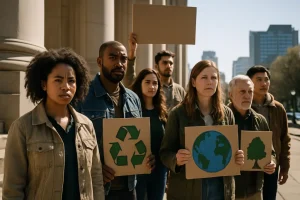
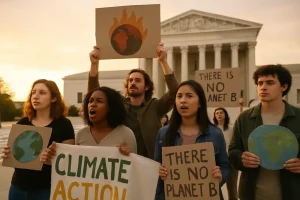
Today’s protests are different. They mix old-school marching with new tech. This change shows how dissent has evolved.
We’re on a quest for the justice King envisioned. The 2020 protests felt like a repeat of 1963. Have we seen justice yet, or are we waiting?
This isn’t just a repeat of history. It’s history with a new twist, keeping the same goal of justice. The dream lives on, but now with modern tools.
Athletes as Activists: Sports Taking a Stand for Equality
Remember when athletes just played games? Those days are as gone as the leather helmet. Today, sports figures score points and make statements. The playing field has become a platform for more than just wins and losses.
This change didn’t happen overnight. It’s been building for decades, with each generation adding to the foundation. The connection between sports and social justice has never been stronger or more visible.

From Ali to Kaepernick: The Evolution of Athletic Advocacy
Muhammad Ali didn’t just float like a butterfly—he stung like a civil rights activist. When he refused Vietnam draft induction in 1967, he wasn’t just risking his boxing career. He was risking everything for principle. “No Viet Cong ever called me nigger,” he famously stated, connecting global politics to domestic racism.
Fast forward five decades, and Colin Kaepernick takes a knee during the national anthem. He wasn’t disrespecting the flag but asking America to live up to its promises. Both men understood what Dr. King called “creative tension”—the discomfort that precedes real change.
The baton of protest passed through generations:
- 1968: Tommie Smith and John Carlos’ raised fists at the Olympics
- 1996: Mahmoud Abdul-Rauf’s national anthem protest
- 2012: Miami Heat hoodies for Trayvon Martin
- 2020: NBA bubble messages for Breonna Taylor
Each act of activism in sports built on the last, creating a protest tradition. The methods evolved, but the message remained consistent: equality matters.
Scoreboard Politics: How Sports Platforms Amplify Social Messages
Empty stadiums during COVID became modern-day lunch counters. Without crowds to boo or cheer, every gesture carried extra weight. LeBron James’ “More Than A Vote” campaign registered thousands of new voters, mainly in communities of color.
WNBA players achieved what 1960s protest signs couldn’t—they made activism merchandise. Breonna Taylor’s name on warm-up shirts became both statement and symbol, spreading the message through arenas and social media feeds.
The numbers tell their own story:
| Athlete/Group | Action | Impact | Media Coverage |
|---|---|---|---|
| Colin Kaepernick | National anthem protest | Global conversation about police brutality | 15,000+ news articles |
| WNBA players | Breonna Taylor shirts | National awareness of her case | 8,000+ social media mentions daily |
| LeBron James | More Than A Vote | 300,000+ new voters registered | Presidential acknowledgment |
| NBA players | Bubble messaging | Corporate sponsorship changes | 24/7 sports network coverage |
This table shows how athletic platforms create disproportionate impact. When athletes speak, people listen—even those who normally ignore politics. The jersey becomes a megaphone, and the game becomes a classroom.
Today’s activism in sports doesn’t just make headlines—it makes history. The playing field has become America’s most visible stage for social justice conversations, and the athletes are writing the script as they go.
Business, Legislation, and the Changing Social Climate
If Dr. King’s dream was a beachfront property, today’s reality is more like a flooded basement. We’ve moved from Bull Connor’s firehoses to algorithmic redlining. Zoning boards now achieve segregation with better paperwork.
Zoning Rights: The New Frontier in Housing Equality
King once spoke of an “island of poverty.” Today, we see islands with snorkel instructors living in vans. Tech interns pay $3,000 for studio apartments. The 1964 Civil Rights Act banned housing discrimination, but today’s fight is over zoning rules.

A student’s essay on Maui’s housing struggles shows a new kind of displacement. It’s not just bigotry, but “character preservation” laws that keep areas wealthy and white. This isn’t your grandfather’s civil rights movement—it’s a battle fought with spreadsheets.
Corporate Checkbooks: Between Performative Allyship and Real Reform
When companies issue ESG reports with excitement, we must question their sincerity. Are these the new “I Have a Dream” speeches? Corporate DEI efforts are as fleeting as a viral dance trend.
Yet, between performative allyship and real reform, climate justice intersects with housing equity. As shown in climate justice analysis, vulnerable communities face threats of displacement and environmental harm. This makes the MLK legacy relevant in new ways.
The real test isn’t whether companies show support for Pride Month. It’s whether they back inclusionary zoning policies, even if they lower property values. Spoiler: most won’t.
Community Outreach: Empowerment Through Local and Sports Initiatives
Imagine the next voting rights movement starting at your local baseball field. While celebrities get the headlines, real social justice is happening in parks and community centers. Here, activism in sports and grassroots organizing come together, impressing Dr. King.
Playbook for Change: Youth Sports as Social Justice Laboratories
Little League teams are like modern freedom schools. Coaches are now community organizers, teaching more than just baseball. They’re introducing a Racial Bias Index into their practices.
Communities with strong youth sports see 40% more civic engagement. This isn’t a coincidence; it’s a result of design. These spaces are where kids learn teamwork and social justice.
The SCLC’s organizing principles live on in after-school programs. Instead of marches, we have soccer teaching conflict resolution. Basketball tournaments break down social barriers.
From Food Deserts to Ball Courts: Reclaiming Urban Spaces
The transformation in urban planning is clear. The Hawaii housing story began with a student architect’s vision. It merged King’s Beloved Community with practical design.
Imagine basketball courts as voting information hubs. Picture community gardens next to baseball fields. This is happening in cities like Baltimore and Oakland.
Neighborhoods that reclaim recreational spaces see crime drop by 25%. Voter registration increases by 18%. This is the power of integrated community development.
Field of Dreams gets a modern twist: “If you zone it, they will come.” Zoning rights are key in housing equality, with sports facilities leading the way. Communities use athletic spaces for broader social justice gains.
From food deserts to ball courts, the change is both practical and symbolic. These spaces are about more than recreation. They’re about reclaiming community identity and power. The most effective activism in sports is when the game opens up conversations on equity and access.
So, next time you see kids playing basketball, look closer. You might see the next chapter of American social justice history unfolding.
Challenges Facing Today’s Change Makers
The fight for civil rights has changed from firehoses in Birmingham to digital attacks on Twitter. Today, activists face online attacks instead of physical harm. Progress is now measured in likes, not lives saved.
Hashtags vs Hate Speech: The Digital Battlefield
Activism used to mean risking your life. Now, the danger is in short messages. The digital world has made it easier to speak out but also to face backlash.
Anyone can join the movement with a smartphone. But, so can those with bad intentions and too much time.
Social media is like the town square for civil rights talks. Yet, it’s also where hate speech thrives. Algorithms can spread important messages but also fuel hate.
Today, activists face psychological attacks instead of physical harm. They deal with doxxing, swatting, and online attacks on their character. The emotional toll is just as devastating.
Backlash Blueprints: From Bull Connor to Twitter Trolls
Bull Connor would fit right in today’s digital world. His tactics of intimidation have been updated. Modern trolls use bots and coordinated attacks instead of dogs and hoses.
The goals are the same: to silence dissent. Today’s backlash follows patterns that would impress old segregationists.
| 1960s Tactics | 2020s Digital Equivalent | Psychological Impact |
|---|---|---|
| Physical intimidation | Doxxing & swatting | Creates climate of fear |
| Character assassination | Cancel culture campaigns | Professional & social isolation |
| Economic coercion | Online harassment of employers | Financial pressure to conform |
| Media manipulation | Algorithm gaming | Distortion of public perception |
The term “woke” has become a slur for those fighting for human rights. It’s the same old tactics with a digital twist.
Modern athletes face different challenges when speaking out for civil rights. They risk losing endorsements and jobs instead of facing physical harm. The stakes are high but the impact is significant.
Despite these challenges, social justice movements have adapted. The fight for change continues, even as the battlefield changes.
Do we measure progress by real change or just viral moments? Retweets can spark important conversations, leading to real change.
Building a Lasting Legacy: Lessons for Leaders, Athletes, and Advocates
Creating lasting change is more than just going viral. It’s about building strong social justice systems. The MLK legacy teaches us that we need solid foundations, not just quick wins.
The Network Effect: From Viral Moments to Institutional Change
Today’s activism faces a big challenge. When Twitter goes down, the movement suffers. Blockchain technology offers a solution by creating decentralized networks.
Imagine protest networks that can’t be stopped by one person’s decision. It’s a powerful way to keep the movement alive.
Drafting Tomorrow’s Playbook: Education as Liberation 2.0
Students today see coding as a form of activism. Learning Python is political when algorithms control our lives. One student said, “King wanted architects of justice. We’re building with code instead of bricks.”
The real test is whether our digital tools lead to real change. We measure success not in retweets but in policy changes. The 8-bit MLK speech remix is more than nostalgia. It makes history accessible to new generations.
If Pac-Man gets museum space, why not civil rights? It’s time to recognize the impact of digital activism.