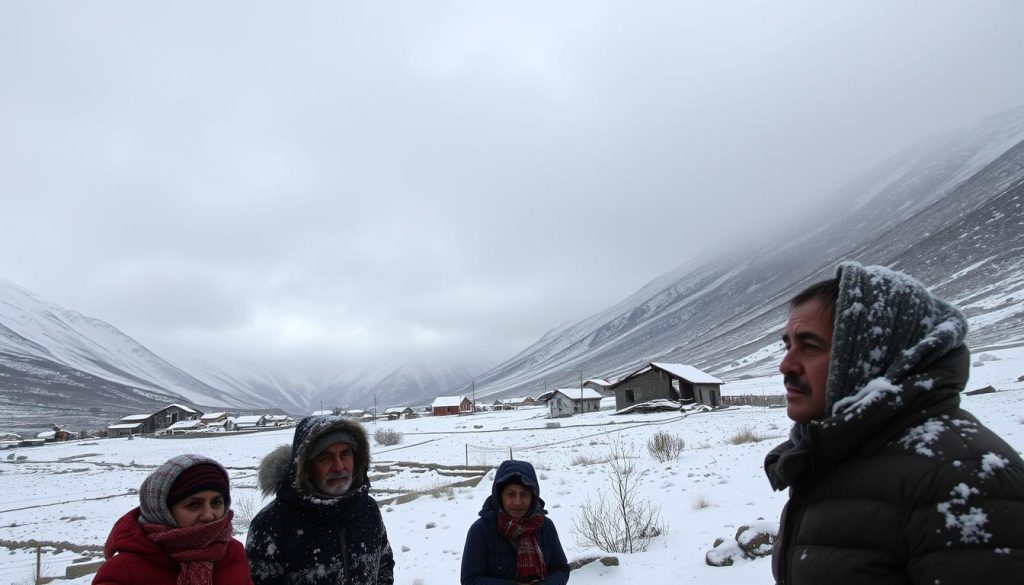
Nine lives lost to a cold snap. Mexico wasn’t ready for this Arctic invasion.
This tragedy goes beyond statistics. It’s a brutal case study in regional unpreparedness.
What happens when infrastructure fails and human vulnerability meets meteorological chaos? We’re about to dissect this perfect storm.
The numbers tell one story. The human impact reveals another truth entirely.
Our relationship with increasingly erratic patterns demands better preparation. This event shows us exactly why.
Understanding the Science: Causes and Patterns of Extreme Events
Climate change isn’t just about hotter summers. Mexico’s recent deep freeze is a wake-up call. The polar vortex, a massive low-pressure system, usually keeps the Arctic’s coldest air contained. But now, it’s like a broken piñata, spilling cold air everywhere.
When the polar vortex weakens or splits, it lets Arctic air escape. This is called sudden stratospheric warming. It’s like a cosmic game of telephone, where events in the Arctic affect places like Mexico thousands of miles away.
The jet stream is also involved in this drama. It usually flows straight, keeping cold air up north. But with Arctic warming faster than other areas, the jet stream gets wavy. It’s like a drunk driver, causing chaos in the atmosphere.
These wavy patterns lead to blocking events. Cold air gets stuck, while warm air moves north. This creates extreme weather, like cold and warm at the same time in different places.
When we suddenly get cold, our bodies adapt in amazing ways. Brown fat activation generates heat. Our blood flow changes to keep us warm, and our immune system responds in complex ways.
These extreme events are happening more often and getting worse. NASA’s climate research shows our atmosphere is changing fast. The science of climate extremes is complex, with many factors at play.
So, when Mexico gets cold and Texas freezes while Alaska is hot, it’s the new normal. The polar vortex is like an unreliable friend, causing trouble and breaking things. But the consequences are much more serious.
Implications for Outdoor Sports, Training, and Safety
Ever wonder why Scandinavian winter swimmers seem so happy while you’re freezing? It’s not madness—it’s science. Your body’s response to cold is amazing, even if it feels like your toes are turning blue.
Cold exposure triggers two cool biological responses. Shivering thermogenesis makes your body vibrate. Non-shivering thermogenesis activates brown fat, which burns calories to warm you up.
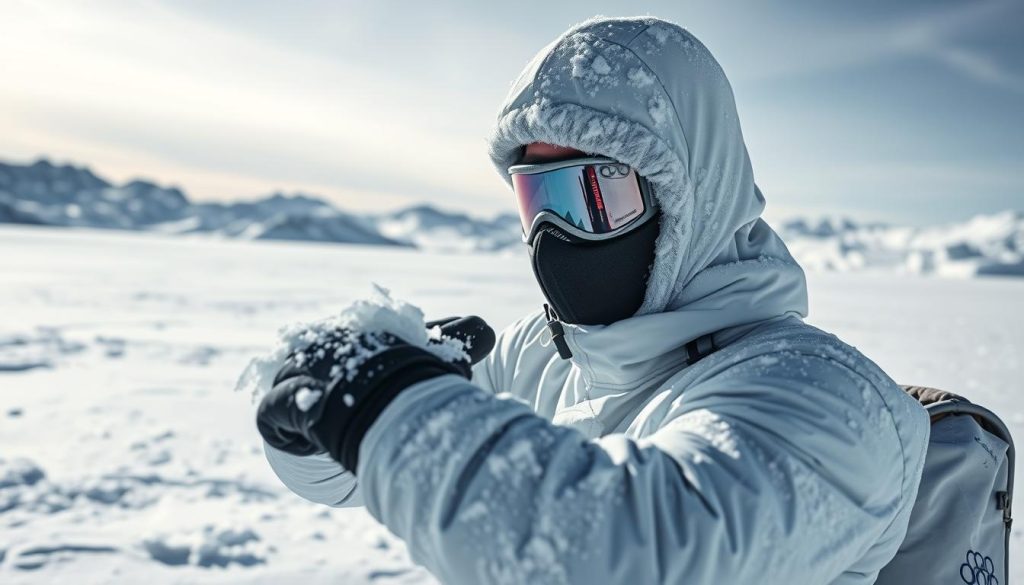
Studies show cold environments can increase calorie burn by 30-40%. But, shivering burns mostly carbs, not fat. So, losing weight in the cold is mostly a myth.
Vasoconstriction, or blood vessels narrowing, is like a workout for your blood. It’s a natural way to strengthen your circulatory system. But, it only works if you acclimatize properly and follow safety rules.
Extreme events need extreme preparation. The difference between success and danger often comes down to three things:
- Gradual exposure over 2-3 weeks
- Maintaining core temperature above 95°F
- Recognizing danger signs before it’s too late
Wim Hof’s methods work, but not for the reasons you think. His breathing techniques increase oxygen, boosting cold tolerance. The real secret is consistent exposure, teaching your body to handle stress.
Safety isn’t about being tough—it’s about being smart. Even elite athletes can face dangerous temperature drops in freezing conditions. Wearing the right gear, staying hydrated, and monitoring exposure can turn danger into an advantage.
Remember, your body’s cold responses are evolutionary gifts, not social media challenges. By respecting the science, you might find winter training enjoyable, not just a chore.
Preparing Teams and Athletes for Unpredictable Conditions
When Mother Nature surprises us, the best athletes don’t just look at the forecast. They rewrite their plans. Athlete adaptation has grown from simple weather prep to a complex mix of physical and mental training.
Your mind might give up before your body does. That’s why teams like Organic Basics use cold showers as a team-building activity. Their winter bathing, sometimes naked in saunas, is more than just a Scandinavian quirk. It’s a way to build mental toughness together.
The science behind this is interesting. Cold showers trigger chemical responses that make teams stronger and individuals more resilient to cold. It’s like a secret club for staying warm—without the fights.
Practical athlete adaptation also means getting your body to heat up better. It’s like teaching your body to burn fuel more efficiently.
Here’s what really helps with cold tolerance:
- Controlled exposure: Begin with short cold showers and move to outdoor activities
- Breathing techniques: Learn from Dutch experts and Wim Hof fans
- Metabolic priming: Eat foods that help your body stay warm
- Gear intelligence: Wear clothes that help you stay warm, not hinder you
The mental side is key. Teams that face challenges together become more resilient. It’s the difference between feeling cold alone and facing it together.
Modern gear is more than just warm. It’s about managing moisture, keeping you insulated, and letting you move freely. Looking good doesn’t help you perform better.
True athlete adaptation means being flexible in training and recovery. The best teams don’t just get tougher; they get smarter about facing challenges.
This isn’t about enduring for the sake of it. It’s about building strength so you can perform well even when the weather is bad. The best teams see unpredictable weather as just another challenge, not a barrier.
Event Scheduling and the Athlete Experience
We’re now scheduling events in seasons that don’t follow the old rules. Organizers must predict the weather like meteorologists, be as flexible as yoga instructors, and plan for every possible scenario. It’s like playing a game of climate roulette, where Mother Nature always wins.
Scandinavian winter bathing festivals are a great example. They’ve turned cold dips into cultural events, accepting nature’s offerings. Their secret is built-in flexibility and community strength, showing us how to adapt to winter’s changes.

Weather changes quickly, making event planning an art. Marathon directors plan multiple routes. Ski resorts use advanced snow-making tech. Tournament organizers have backup plans ready.
This weather unpredictability has changed sports. Athlete adaptation is now key to success. It’s not just about personal records, but also about handling unexpected weather.
| Traditional Planning | Modern Reality | Athlete Impact | Community Response |
|---|---|---|---|
| Fixed seasonal schedules | Flexible weather windows | Multiple scenario training | Scandinavian festival model |
| Single course design | Alternate route planning | Improved mental flexibility | Local weather adaptation |
| Basic safety protocols | Advanced weather monitoring | Enhanced risk assessment | Community support systems |
| Predictable conditions | Real-time adjustments | Quick decision making | Crowd safety innovations |
The athlete adaptation journey now includes preparing for all kinds of weather. It’s like training for three sports at once. Athletes need to be mentally flexible as well as physically strong.
Keeping fans and athletes safe is a complex task. It involves monitoring systems and making quick decisions. The challenge of keeping fans safe in a warming world is bigger than ever.
Success in sports now goes to those who adapt well. Athletes and teams that treat weather uncertainty as an opportunity are thriving. They’re mastering the art of athlete adaptation and turning climate chaos into a competitive edge.
We can learn from Scandinavian winter bathers. Their secret is not fighting nature but flowing with it. The most valuable athlete adaptation might be learning to dance with whatever weather comes our way.
How Communities Can Build Climate Resilience
While getting ready for extreme events is key, working together is even more important. When the power goes out, like in Texas, your ability to handle cold is almost useless.
From Mexico to Minnesota, people are learning that being resilient is more than just having generators. It’s about building strong social ties. The Scandinavian way of cold-water bathing clubs is a great example, showing how social support can be a big help.
These groups aren’t just about taking icy dips. They also look out for each other, like checking on the elderly when it’s cold. They share resources, showing that being strong together is just as important as having the right technology.
So, what does it mean for American communities to be climate resilient? Let’s look at it:
| Strategy | Technical Component | Social Component | Real-World Example |
|---|---|---|---|
| Grid Modernization | Weatherized power infrastructure | Community warming centers | Minnesota’s neighborhood heating hubs |
| Early Warning Systems | Advanced monitoring technology | Phone tree networks | Texas community alert groups |
| Resource Sharing | Backup generator programs | Equipment lending libraries | Vermont’s community tool shares |
| Social Infrastructure | Heated public spaces | Winter social clubs | Scandinavian bathing communities |
The best communities know that tech alone isn’t enough. In the 2021 Texas freeze, strong social bonds helped a lot. Neighbors shared generators, checked on each other, and set up warming centers.
This isn’t just about making it through tough times. It’s about building communities that grow stronger when faced with challenges. The Scandinavian winter clubs show how social bonds can be a safety net.
Mexico’s recent struggles show both the risks and the opportunities. Communities with strong social ties, like churches and community centers, did better than those relying only on government help.
To really build climate resilience, we need to invest in both technology and people. The tech is important, but it’s the connections between people that really matter.
The table shows how tech and social bonds work together. The most resilient communities are those with both strong infrastructure and strong relationships.
As we face more extreme events, this approach is key. Your generator might keep your lights on, but your neighbors will keep you safe.
Science Communication and Responsible Reporting
Every influencer with an ice bath seems to think they’re a wellness expert. But, hyping Wim Hof’s cold exposure as a cure-all is misleading. Some early research suggests benefits, but solid science hasn’t confirmed it yet. It’s like saying a bandage is a surgery because of catchy headlines.
This issue isn’t just about wellness trends. It also affects how we talk about climate science. News headlines often exaggerate, making people either freak out or doubt the facts. Good reporting should be clear and balanced, explaining climate science without causing panic or indifference.
Why is this important? Informed choices lead to better decisions, whether it’s about cold weather or new trends. We shouldn’t simplify climate science. Instead, we should have a more detailed and accurate conversation. Trusting facts over fiction is always better.