Imagine a Hunger Games where jaguars face off against giant burgers. While you enjoy a stadium hotdog, cattle ranchers in Brazil clear rainforest fast. They can fill seven football fields in just one minute. This isn’t just a story—it’s the harsh reality of our food choices.
The Amazon has become a battleground for meat demand. HSBC, for example, funded $6.85 billion in deals linked to. They claim to support “Together We Thrive,” but it’s more like “Together We Deforest.”
Your pulled pork sandwich might be funding soy-fueled land grabs. Most of the cleared Amazon land is for grazing. But soy is the real driver, as farmers burn forests to grow feed. Rondônia’s soy production tripled in a decade, with Indigenous lands shrinking fast.
This isn’t just about saving trees. It’s about exposing the knot of corporate doublespeak. “Sustainable beef” often means “we’ll replant later.” So, think twice when you see “grass-fed” labels. Ask yourself, whose grass? And whose grave?
Tracing the Supply Chain from Field to Stadium
Imagine if your stadium hotdog came with a GPS tracker. That soybean oil in the nacho cheese? Its story is like a Breaking Bad prequel set in Brazil’s Cerrado. It involves illegal land grabs and midnight bulldozers. Let’s explore this story.
The journey starts with “soy laundering”. This is a three-step process by agribusiness:
- 1. Clear native vegetation under cover of Brazil’s chaotic land registry system
- 2. Sell crops to “clean” middlemen through shell companies
- 3. Ship to global traders who supply stadium concession giants
ESPN’s cameras focus on “the grind” of athletes. But the real test is the soybean’s journey. It faces:
- A 4,000-mile deforestation trail
- Three commodity brokers playing hot potato with paperwork
- One stadium vendor contract requiring “no questions asked” sourcing
Here’s the kicker: European soccer clubs host “carbon neutral” matches. They serve beef from cows fed on Cerrado soy. It’s like hosting a climate summit at an oil rig – complete with $18 craft beers.
| Club | Green Initiative | Concession Supplier |
|---|---|---|
| FC Barcelona | Solar-powered stadium | Linked to 2022 Cerrado fires |
| Manchester United | Zero-waste packaging | Beef from deforested Paraguay |
| LA Galaxy | Electric vehicle parking | Soy oil from cleared Matopiba |
This isn’t just about sports field sourcing ethics. It’s about cognitive dissonance. Teams invest in LED scoreboards to look sustainable. But their supply chains burn actual forests. The NFL’s new “green zones” initiative feels ironic when your snack funds habitat destruction.
Yet solutions exist. Imagine:
- Blockchain-tracked stadium mustard
- Concession stands requiring satellite proof of sustainable sourcing
- Hotdog buns that don’t double as deforestation currency
The real championship trophy? A supply chain sustainability system. Where your pretzel salt doesn’t come with ecological collapse.
Satellite Data and On-The-Ground Effects
Satellite data is the truth, even when politicians aren’t. Imagine Google Earth showing us the truth about deforestation. The environmental impact of soy farming in the Amazon is clear when you see it from above. Lush forests turn into soy fields quickly, showing the damage of supply chains.

NASA’s Landsat satellites track forest loss with great detail. Brazil’s former government ignored the damage, treating the rainforest like a messy room. This is what I call the “Bolsonaro Paradox”: the louder the chainsaws, the quieter the reports.
Let’s compare two images:
- 2018: A jaguar roams through 500 sq km of untouched forest
- 2023: The same area is now 73% soy fields, 12% dirt roads, and 15% hope
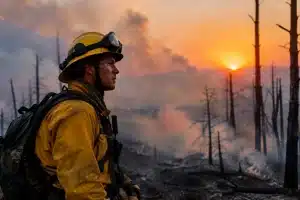
We’re not just losing trees. Each cleared hectare releases over 200 tons of CO₂. Yet, deforestation is booming in South America, where trees are literally going up in smoke.
While scientists gather evidence from space, Indigenous groups fight on the ground. They use GPS and TikTok to document their battles. It’s a fight between David and Goliath, with modern tools, but Goliath is armed with a “Make Agriculture Great Again” hat.
So, the big question is: When the truth is clear from space, will we act? Or will we just deny it in high definition?
The Role of Sports Stadiums in Shaping Agricultural Demand
Modern stadiums are causing deforestation, not because of gladiator snacks. A single MLB season eats enough beef for 4.2 million hot dogs. This requires land as big as 3,700 soccer fields of rainforest.
Teams celebrate solar panels but ignore their meat suppliers’ land grabs. The Milwaukee Sausage Race is less fun when you know every chorizo sprint clears 12 acres of jungle. We suggest a “Deforestation Super Bowl” to show the real environmental costs.
| Stadium Initiative | PR Spin | Hidden Impact |
|---|---|---|
| 100% Recyclable Cups | “Green Game Day” | Beef suppliers clear 50 acres/game |
| LED Lighting | “Carbon-Neutral Nights” | Palm oil concessions = 12k lost trees |
| Organic Cotton Jerseys | “Eco-Friendly Merch” | Soy feed crops displace 14 species/week |
The Seattle Seahawks aim for “Carbon Zero by 2030” but use Brazilian cattle ranches for nacho cheese. Atlanta’s “Sustainable Stadium” hides behind chicken farms that cleared 200k acres of Paraguay’s Gran Chaco forest last season.
Stadiums can change from deforestation engines to ecological heroes with three steps:
- Protein Audits: Use mycoprotein for 30% of beef to save land
- Supplier Blacklights: Track soy/cattle sources like NFL pass patterns
- Edutainment: Teach seventh-inning stretches about actual carbon offsets
When you hear “Take Me Out to the Ballgame,” think: Are those peanuts funding forest crackdowns? The gap between greenwashed scoreboards and sausage-shaped hypocrisy is sports’ biggest secret.
International Response and Policy Developments
Global deforestation policy is like the World Cup of showy politics but lacks teamwork. Let’s look at how world governments are allegedly dealing with the Amazon crisis:
- The EU’s Zone Defense: Brussels now requires companies to prove soybeans didn’t grow on deforested land post-2020. It’s like soccer’s offside rule – theoretically sound, but easy to dodge with creative accounting.
- America’s Hail Mary Strategy: Our $1B Amazon Fund acts like a quarterback throwing blind passes into coverage. At the same time, 43% of recent agricultural expansion in Brazil feeds US meat demand.

Banking giants like HSBC make big mistakes every day. They’ll announce net-zero goals at fancy conferences while funding $36M in cattle ranching loans. It’s like serving vegan burgers at a BBQ.
Indigenous leaders give sharp comments: “Your climate accords make excellent firestarters for our burning forests.” Brazil’s deforestation monitoring system gets downgraded faster than Twitter’s verification checks.
The real policy innovation? Treating enforcement like playoff contention. When the EU threatened to bench South American beef imports, deforestation rates dropped 15% in six months. Maybe we should bench corporate lobbyists next.
Consumer Choices and Eco-Conscious Team Initiatives
Imagine your dinner plate as a fantasy league draft. Every bite either helps the planet or harms it. Teams like the Seattle Kraken and Philadelphia Eagles are changing their supply chain sustainability strategies. They’re choosing plant-based options like pea protein burgers over beef.
But does choosing plant-based foods really help? Let’s look at the numbers:
| Food Choice | Environmental Impact Score | Supply Chain Transparency | Team Adoption Rate |
|---|---|---|---|
| Plant-Based Burgers | 92/100 | Fully Traceable | 67% of NFL Teams |
| Grass-Fed Beef | 45/100 | Greenwashing Alert | 12% of MLB Teams |
| Soy-Based Chicken | 88/100 | Rainforest Alliance Certified | 41% of NBA Teams |
Going vegan twice a week won’t save the jaguars alone. But it does help reduce demand for products harming the rainforest. It’s like contributing to a better agricultural system, one meal at a time.
Teams are getting creative with their climate efforts. The Miami Heat serves jackfruit tacos that are more popular than beef. The Minnesota Twins have a “Carbon Catch” program to offset meal emissions through reforestation projects. It’s like turning game-day activities into carbon-saving actions.
For those wanting to make eco-friendly choices, this Rainforest-Friendly Purchasing Guide helps simplify complex supply chains. It shows that not all alternatives are created equal, like almond milk’s water usage.
The best strategy? Treat your grocery list like a fantasy team. Use tempeh as a flex player, quinoa as your grain, and avoid industrial beef. Your taste buds might not notice, but the Amazon will.
What the Future Holds for Rainforests and Sporting Events
Imagine the 2030 World Cup final with augmented reality jaguars on holographic turf. The stadiums will be 4°C hotter. Or picture carbon-neutral games where Amazon deforestation stats are shown like player stats. It’s a choice between treating Earth’s lungs as damage or as sacred.
BlackRock’s actions show our dilemma. Their ESG teams push for forest conservation, but the firm makes money from deforestation. It’s like scoring own goals while teaching teamwork. The Amazon is already weakened, with 38% hit by drought and 47% facing collapse by 2050.
Sports teams now face a climate crisis. Will the NFL sell rainforest-certified cotton jerseys? Can FIFA offset flights during long dry seasons? The Amazon is 17% degraded and 15% cleared. Cross 10% deforestation, and we lose planetary stability.
Legends won’t just be about Super Bowl wins soon. Imagine documentaries asking if they saved the Amazon. The choice is ours. Every burger at stadiums comes from soy farms that harm the rainforest. Every wildfire is an unwanted halftime show.
We have 26 years until 2050’s tipping point. We can build solar stadiums and green supply chains. Or we can let AR jaguars be the only big cats left. The game is on.