What makes cycling’s gods different from the rest? It’s not fancy gear or apps. It’s the tough, stunning mountains of Italy’s grand tour.
Imagine roads so steep, they feel like climbing a waterfall. Hairpin bends look like a kid’s drawing. This is where legends are made.
Think of Fausto Coppi riding up goat paths on a heavy bike. Or Eddy Merckx eating up mountains before breakfast. They weren’t just athletes. They were alchemists turning pain into glory.
The Giro’s iconic climbs are more than just roads. They test who’s a champion and who’s just along for the ride. This is where cycling turns into a myth.
Mountain Time Trials: Physical and Environmental Challenges
Ever tried climbing stairs while someone’s throwing rocks at you? Welcome to elite cycling’s ultimate test. The mountain time trial separates contenders from pretenders in the most brutal fashion imaginable.
Think of it as nature’s stress test. Thin air plays tricks on your lungs. Steep gradients turn legs to jelly. The clock becomes your merciless judge, ticking away while gravity pulls like an anchor.
It’s not just about power output or aerodynamics. Your mind battles doubt as oxygen dwindles. The environment becomes your opponent – altitude, weather, and that cruel final switchback that seems to laugh at your suffering.
Why do athletes voluntarily subject themselves to this? Because conquering these challenges reveals character. The mountain doesn’t care about your training data or race strategy. It demands everything you have – and then asks for more.
Mountain Time Trials: Physical and Environmental Challenges
The mountain time trial is cycling’s ultimate challenge. It combines maximum aerodynamic efficiency with maximum gravitational resistance. It’s like taking a Formula 1 car to a tractor pull, both technologically advanced but utterly out of place.
These efforts require more than normal human endurance. Your lungs feel like they’re screaming, and your legs pump like liquid concrete. The mental challenge is like solving a Rubik’s cube while running a marathon.
Environmental factors make these races harsh. You face 40km/h winds that try to push you off cliffs. Temperature swings make your morning coffee seem stable. Altitude makes oxygen a luxury.
The equipment used is both beautiful and mad. These time trial bikes are so aerodynamic they seem to disappear in the wind. But when you hit a 15% grade, you remember physics is real. The technology and mountains are in a constant battle.
Recent analysis from the 2025 Giro d’Italia showed how mountain weather can change racing conditions. You might be baking in the sun one minute and fighting horizontal rain the next.
What makes mountain time trials special? It’s the raw battle between human ambition and nature. No teammates to hide behind. No peloton to share the pain. Just you, the clock, and the mountain’s slope.
Analyzing the Environmental Footprint of Major Races
Ever wonder what happens when 200 team cars follow cyclists across continents? The carbon math gets interesting. It’s like a traveling circus that would make Barnum & Bailey blush.
Elite cycling promotes green transportation but leaves a substantial carbon wake. From helicopter coverage to team logistics, the environmental cost adds up fast. It’s more than a sprinter’s final kick.
This isn’t about pointing fingers. It’s about acknowledging the elephant in the peloton. How do world-class events balance spectacle with sustainability? The answer might surprise you.
Analyzing the Environmental Footprint of Major Races
Let’s look at the environmental impact of professional cycling. These events create a lot of carbon emissions. It’s like a small town’s yearly output.
Grand Tours are like a three-week traveling circus. They have team cars, media trucks, and VIP vehicles. These vehicles create a lot of carbon emissions as they follow the athletes up mountains.

- Pop-up media centers that use a lot of energy
- Disposable branding materials that are thrown away every day
- Mobile broadcasting units that use a lot of diesel
There’s also a big plastic problem. The water bottles used during these events could hydrate a small nation. Most of these bottles end up in landfills, despite recycling efforts.
Spectator behavior adds to the problem. Thousands of fans drive up mountains, idling their engines for hours. It’s like using a flamethrower to light a birthday candle.
| Carbon Source | Estimated Impact | Comparison Metric | Potential Solutions |
|---|---|---|---|
| Team & Support Vehicles | 45% of total emissions | Equal to 500 transatlantic flights | Electric vehicle transition |
| Temporary Infrastructure | 25% of total emissions | Powering 2,000 homes for 3 weeks | Reusable structures |
| Spectator Travel | 20% of total emissions | 1 million car miles daily | Enhanced public transport |
| Waste Generation | 10% of total impact | 100 metric tons of plastic | Comprehensive recycling programs |
Weather can also affect these races. Unpredictable mountain conditions force last-minute route changes. This creates more transportation chaos and wasted resources.
The environmental factors affecting these races create a ironic loop. Climate change makes mountain stages more dangerous. At the same time, the events contribute to the problem they’re trying to solve.
Yet, there’s an opportunity here. The visibility of these cycling events makes them perfect for showing sustainable practices. When millions watch athletes conquer nature, why not show them respecting it too?
Green Initiatives: How Cycling Events Are Changing
Remember when bike races were all about who finished first? Those days are fading away. Now, major cycling events have a new goal: being green.
The Tour de France’s carbon footprint is smaller than the Olympics. Yet, it’s as big as 68,500 French citizens’ yearly emissions. That’s a huge problem.
Some events are changing for the better. Others are slow to adapt. The 700km transfer controversy shows how much work is left.
Teams are finding new ways to be eco-friendly. Quick Step-Alpha Vinyl’s emissions would need 3,000 football pitches of trees to offset. That’s a massive challenge.
The green initiatives in cycling events are real. They’re not just for show. They’re the heart of the race now.
Green Initiatives: How Cycling Events Are Changing
Watching cycling events turn green is like seeing a lifelong meat lover suddenly go vegan. It’s a noble move, but it can be a bit awkward at first. Yet, these green event initiatives are actually making a difference.
Carbon offset programs have grown from just PR stunts to real, science-backed projects. Race organizers work with environmental groups to figure out emissions. Then, they invest in projects like reforestation and renewable energy. It’s like seeing accountants turn into environmental heroes.
Single-use plastics are now the big enemy in cycling. Water bottles get recycled at high rates. Instead of plastic, fans get refill stations. It’s like the whole sport quit smoking all at once.
The biggest change is in the caravan. Team cars are switching to electric, making a weird but cool sight. It’s like watching a silent, green parade.
These efforts don’t stop after the race. Local areas get better infrastructure that lasts long after the event. It’s like the race sparks a lasting change.
The biggest goal is to make the race carbon neutral. This means counting every bit of carbon, from athlete travel to fan emissions. It’s a big challenge, but they’re making steps towards it.
What’s amazing about these efforts is their dedication. Cycling events are learning that going green is more than just a symbol. It’s about changing everything about the race.
Athlete Preparation: Science, Nutrition, and Altitude
Ever wonder why some athletes seem to defy human limits while others just… don’t? It’s not magic. It’s science. And maybe a little bit of masochism.
Modern athletic preparation is like a game of biological chess. It involves precise nutrition timing, brutal altitude simulations, and training plans that are incredibly detailed. They’re so detailed, they’d make a NASA engineer blush.
Consider this data from a recent sports science study: athletes training at altitude showed dramatically different intensity distribution. Some spent over 90% of their time in low-intensity zones. Others pushed nearly 6% at high intensity.
The real question isn’t just about training hard. It’s about training smart. Because in the end, the mountain doesn’t care how tough you think you are.
Athlete Preparation: Science, Nutrition, and Altitude
Modern cycling has changed from just hard work to using science. It’s like moving from using a sundial to an atomic clock. Today’s athletes train smarter, not just harder. They use science that would impress a NASA engineer.
Rigoberto Urán has an easy advantage. He lives at 2,500 meters in Colombia, which helps him adapt to altitude. European riders use special chambers to get the same effect. It’s not just about breathing thinner air. It’s about making your body carry more oxygen.
The tools athletes use today are very advanced. Power meters can measure output in single watts. Nutrition plans are as detailed as tax codes, with carb-loading and hydration strategies.
Recovery science is like science fiction. Athletes use special boots, cryotherapy, and sleep tech to recover better. Resting is not enough anymore. Every minute of recovery is optimized.
This scientific approach boosts athlete performance a lot. Riders see 15-20% better power output and recovery. It’s the difference between guessing and knowing, between hoping and controlling.
| Training Element | Traditional Approach | Modern Scientific Method | Performance Impact |
|---|---|---|---|
| Altitude Training | Mountain camps | Hypoxic tents + live high/train low | +8-12% VO2 max improvement |
| Nutrition Timing | Eat when hungry | Precision carb-protein ratios | 20% faster recovery |
| Power Measurement | Perceived exertion | Real-time wattage monitoring | 3-5% efficiency gain |
| Recovery Technology | Rest days | Cryotherapy + compression | 40% reduced inflammation |
When these elements work together, magic happens. Altitude training, precise nutrition, and recovery tech all boost performance. It’s a system where each part enhances the others.
This isn’t just about cycling faster. It’s about understanding human biology at a deep level. Today’s coaches analyze data, adjust plans, and optimize athletes. The science has moved from clinics to mountains, changing what’s possible in athlete performance.
Local Communities: Benefits and Drawbacks of Hosting
Ever wonder what happens when your sleepy town becomes the next big thing? It’s like being the quiet kid suddenly asked to prom – thrilling, terrifying, and potentially messy.
The economic benefits are undeniable. New revenue streams flow in like guests at an open bar. Local businesses boom. Job opportunities multiply.
But let’s not ignore the morning-after headache. Infrastructure groans under new pressure. Housing costs spike faster than a influencer’s follower count. The cultural fabric stretches thin.
It’s the classic American dilemma: growth versus authenticity. Can communities have their economic cake and eat their local character too?
We’re about to break down this modern paradox with the precision of a seasoned bartender mixing the perfect cocktail. The results might surprise you.
Local Communities: Benefits and Drawbacks of Hosting
Local communities face a tough choice. They can either welcome the world with a major cycling event or deal with the chaos it brings. The Giro’s visit turns quiet towns into global hotspots overnight.
The perks are amazing. Think of your local bakery getting customers from all over. It’s a marketing dream that could change your town’s future. Tourism money flows in, making everyone happy.
Local pride soars. Your town becomes a key part of cycling history. The cultural exchange and memories last forever.
But, there are downsides. Roads shut down, making daily life hard. The town’s infrastructure gets overwhelmed. It’s like hosting a big event without enough resources.
The economic gains can be tricky. While big companies profit, small businesses might struggle. This is where sports sustainability really matters.
| Aspect | Benefits | Drawbacks | Sustainability Impact |
|---|---|---|---|
| Economic | Tourism revenue surge | Local business disruption | Requires equitable distribution |
| Cultural | Global exposure | Cultural commodification | Preserves authentic experiences |
| Infrastructure | Potential upgrades | Temporary closures | Long-term planning essential |
| Community | Civic pride boost | Resident inconvenience | Balances local-global needs |
| Environmental | Green initiatives spotlight | Carbon footprint increase | Critical for future events |
The key to success? It’s like urban planning meets art. Communities should make sure local businesses benefit, not just big companies.
They should focus on lasting projects. Improvements that help residents long after the event. It’s about more than hosting an event; it’s about making the community better.
The best hosts treat the Giro like a special guest. They enjoy the event but also think about the future. That’s true sports sustainability.
The real question is how to host well. It’s about making a lasting impact, not just a short-term thrill. That’s something to celebrate.
The Role of Fans: Making Events More Sustainable
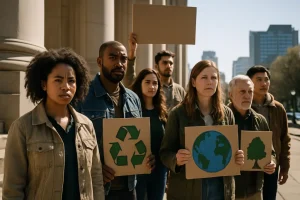
When we talk about making events green, we often think of solar panels or no plastic straws. But what about the fans? They’re the ones who travel far to get to these events, creating a big carbon footprint.
Here’s the truth: your excitement has an environmental price. But don’t worry, you’re not just part of the problem. You’re actually a key player in making events green.
Your choices, like how you get there or what you eat, really matter. When fans ask for eco-friendly options, event planners take notice. By choosing to carpool or eat plant-based, we’re making a statement with our money.
The best sustainable events aren’t just planned by experts. They’re made possible by people who care. Your involvement turns you from just a spectator to someone who can make a difference. So, when you go to that festival or conference, you’re not just there for fun. You’re helping shape the future of gatherings.
The Role of Fans: Making Events More Sustainable
We are the beautiful problem in cycling’s sustainability equation. We are both the reason these events exist and their biggest environmental challenge. Our carbon footprint from traveling to races would make Al Gore’s PowerPoint presentation spontaneously combust.
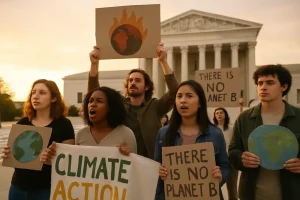
Yet, we hold more power than we think. Imagine if we demanded sustainable events with the same passion we have for team jerseys. What if our collective fan pressure pushed organizers to innovate, not just decorate?

The math is simple. Thousands of fans driving or flying to mountain stages create a huge carbon footprint. But what if we changed our role from passive spectators to active participants in sustainability?
Consider these shifts that could make a difference:
- Carbon-neutral travel options organized through event partnerships
- Virtual attendance packages that offer better access than physical presence
- Digital engagement platforms that reduce the need for physical infrastructure
- Fan-led sustainability certifications that events must earn
The idea of digital engagement is intriguing. We’ve adopted streaming services for movies and groceries. Why not race attendance? High-quality virtual attendance options could improve the experience while reducing environmental harm.
Our collective voice can demand changes that matter. We can push for recycling programs, local food, and carbon offset programs in ticket prices. We’re not just watching the race – we’re funding the entire ecosystem.
Transitioning from being part of the problem to driving the solution requires acknowledging our role. We love the spectacle of human achievement against nature’s backdrop. Yet, our presence threatens that very landscape. It’s time to become the firefighters, not the arsonists, in this environmental equation.
Next time you plan your race pilgrimage, ask: could digital participation satisfy the craving? Could carpooling or train travel become part of the adventure? The future of sustainable events might just depend on our willingness to reimagine what being a fan really means.
What the Future Holds for Green Sports Events
Remember when “green” at sports events meant the field’s color? Those times are disappearing quickly. The future of green sports events is coming, whether we like it or not.
We’re moving past just recycling bins to truly sustainable events. Imagine stadiums run by renewable energy. No waste at concessions. Travel that’s carbon-neutral.
The big question isn’t if sports will go green. It’s how far they’ll go. Will we see athletes in events that cut down on environmental impact but keep fans happy?
This isn’t just about saving trees. It’s smart business. The future of green sports events is looking up, like a solar-powered scoreboard.
What the Future Holds for Green Sports Events
The future of green sports events is already here. We see races powered by clean energy. Carbon-capture tech at finish lines is now a reality. Biodegradable race markers are becoming common.
Fan engagement is moving from physical to digital. This change is thanks to current tech and a growing desire for sustainability. Events like the Giro d’Italia are setting the pace.
They aim to leave a smaller environmental mark each year. The dream is to enjoy sports without guilt. Imagine watching a race with only the sound of tired breathing.
Change happens step by step. It’s like turning a sumo wrestler into a ballet dancer. Every step counts. The future holds sustainable events that are just as thrilling. That’s a finish line worth striving for.