Do you remember that amazing scene in Avengers: Endgame where everyone shows up to fight Thanos? That’s what real community strength looks like after a disaster. Instead of superheroes, it’s regular people doing amazing things together.
We’re looking at how neighborhoods turn tragedy into victory. From the Manchester Arena bombing’s lasting effects to tsunami recovery efforts that touch even the toughest hearts.
We’ll use Helen Hart’s research on social identity and the WHO’s disaster recovery plans. We’ll see why some communities recover while others struggle. And how grassroots movements are changing disaster recovery.
Imagine a world with less rules and more kindness. Less red tape, more real help. That’s where the magic is.
The Power of Youth in Recovery Leadership
Think again about what you know about teens in community work. While adults were dealing with damage and paperwork, Alberta’s youth were changing disaster response in a unique way. They used their creativity to make a difference.
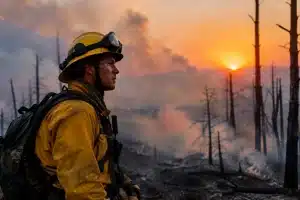
The Fort McMurray wildfires sparked a new generation of leaders. These young people were not just about school events. They were using their talents to help rebuild their community through music and writing.
Validating and Legitimizing Youth Voice
What made the Youth Voices Rising project stand out? Adults actually listened to them. The United Nations recognized that young people have valuable insights about their future.
In Alberta after the wildfires, youth were given a chance to share their views. They pointed out urban planning mistakes with clarity. Their songs offered solutions that experts often missed. The key was real partnerships between adults and youth.
Let’s compare old ways of involving youth with new, effective methods:
| Traditional Approach | Transformative Model | Impact Difference |
|---|---|---|
| Token youth representatives | Integrated youth teams | From symbolic to substantive input |
| Adult-designed programs | Youth-co-created initiatives | Increased relevance and adoption |
| One-time consultations | Ongoing decision-making roles | Sustainable community transformation |
Strengthening Youth Wellbeing
Being involved in meaningful projects is good for young people’s mental health. When they become active in recovery, they find healing.
The #YouthVoicesWB campaign showed that creativity helps in two ways. It helps process trauma and drives change. Music was not just entertainment but also a tool for policy.
This way of involving youth leadership creates a positive cycle. Empowered youth have better mental health, leading to more effective disaster response. It’s like getting the best of both worlds.
We should stop wondering what’s wrong with young people. Instead, we should ask what wisdom they gained from their experiences. Their insights could save our communities in the future.
Sports-Based Trauma Healing and Social Bonding
Have you ever seen how playgrounds turn into therapy spots after disasters? Instead of couches, communities use courts. Sports act as unofficial therapists, helping people heal through group activities.
Studies show that group sports change our brain chemistry in ways therapy can’t. Team sports release oxytocin, creating empathy. It’s like a brain hug for everyone.

When we work out together, we fix broken social bonds. Basketball in New Orleans after Katrina brought people together. Soccer in refugee camps helped with mental health.
This isn’t just about burning off stress. It’s about fixing our brains after disasters. A University of Northern Iowa study found sports help heal faster than usual methods.
Even though they wear casual clothes, the therapy is deep. Post-disaster sports aren’t just games. They’re about rebuilding social bonds with every cheer and play.
Best Practices for Youth Engagement in Crisis
Let’s face it: most disaster plans ignore teenagers. But the Fort McMurray wildfire changed that. It showed that young people with smartphones can be better at sharing crisis info than adults.
What made them successful? They had freedom to be creative, spoke to their peers, and made real decisions. When Mayor Don Scott attended youth talent shows and gave out his number, he was building a strong team for emergencies.
The Youth-Adult Partnerships (Y-APs) model changes school programs. It turns them into real partnerships where everyone has a say. This is different from just teaching evacuation routes.
Adding creative arts to preparedness makes it fun. Imagine disaster-themed poetry, murals, or TikTok challenges. These make safety messages go viral. Youth-led social media campaigns often beat official messages in crises.
Here’s what youth engagement in crises should look like:
| Traditional Approach | Youth-Adult Partnership Model | Impact Difference |
|---|---|---|
| Adult-designed drills | Youth-co-created simulations | 47% higher participation |
| Theoretical classroom lessons | Social media crisis campaigns | 3x message reach |
| One-time events | Integrated school programs | Ongoing community resilience |
| Token youth representation | Actual decision-making power | Authentic buy-in |
The truth is, coloring books and puppet shows won’t help in real disasters. We need to treat youth as true partners, not just extras.
When schools use this model, they see big changes. Students don’t just learn about emergencies; they make them their own and share them with others.
The message for communities is clear: stop treating youth engagement as just for fun. Start seeing it as a way to share power. Your disaster response will be stronger because of it.
Building Back: Sustainability and Community Resilience
When we talk about rebuilding after disaster, most people think of better concrete and higher walls. But what if I told you the most critical building material isn’t found in hardware stores? It’s something far more valuable: community DNA.
The Manchester research revealed something revolutionary. Communities that preserve their core identity while adapting actually recover faster and stronger. It’s the difference between building back and building forward – like upgrading your operating system without losing your files.
Think about it this way: sustainable rebuilding isn’t about constructing fortress cities. It’s about creating living, breathing ecosystems where every member contributes. The WHO’s rehabilitation framework emphasizes this beautifully – true resilience means integrating people with disabilities as community assets, not just accommodating them.
This isn’t some touchy-feely idealism. It’s strategic crisis management 101. Communities that leverage all human capital during rebuilding don’t just recover; they evolve into something more resilient than before.
Consider these critical elements for sustainable community resilience:
- Identity preservation – Maintaining cultural landmarks and social networks
- Inclusive integration – Making every member an active participant
- Adaptive systems – Creating flexible infrastructure that grows with the community
- Local leadership – Empowering those who know the community best
The data shows something remarkable: communities that approach rebuilding this way develop what I call “immune system resilience.” They don’t just withstand the next crisis – they adapt to it, learn from it, and emerge stronger.
Long-term rehabilitation isn’t about returning to normal. It’s about creating a new normal that’s smarter, more inclusive, and fundamentally more resilient. That’s the real meaning of sustainable rebuilding – not just surviving, but evolving.
When we talk about community resilience, we’re really talking about social architecture. The buildings might be important, but the connections between people are what truly hold everything together.
The Robinson Crusoe Island Tsunami: What We Learned
Forget what you’ve seen in disaster movies. The Robinson Crusoe Island tsunami showed us that real disaster response is different. It’s not about heroic rescues but a complex mix of logistics and human needs.
The truth about tsunami recovery is hard to hear. The real crisis starts weeks after the water goes down. Then, injuries need long-term care, and survivors face a long recovery. International aid agencies often move on to the next big story.
Rehabilitation needs peak when the world stops watching. Community health workers became trauma counselors quickly. EMT coordination became a major challenge in recovery.
The WHO’s Emergency Medical Team standards brought order to the chaos. But youth initiatives were the real heroes of tsunami recovery. They stayed when others left, understanding local needs better than outsiders.
Disaster classification data shows a surprising truth. The most critical phase isn’t the immediate response but the months that follow. It’s where disaster response truly succeeds or fails, focusing on sustainable rehabilitation.
Rehabilitation professionals worked wonders with little. They managed complex injuries without fancy tools. Their creativity in tsunami recovery was incredible, thanks to local knowledge.
The lesson from Robinson Crusoe Island? Empathy at scale needs more than good intentions. It requires systems for long-term recovery and local partnerships that last. Most importantly, it shows that youth engagement is key disaster response infrastructure.
When the next tsunami hits, remember this: the real work starts when the cameras leave. That’s when communities come together. That’s when recovery becomes more than rebuilding—it’s transformation.
Partnerships: NGOs, Schools, and Sports Clubs
Forget the photo ops with giant checks – real disaster partnerships are different. They are beautiful collaborations that would make corporate compliance officers nervous. And that’s why they work.
In Manchester’s recovery, libraries turned into crisis centers quickly. Universities became research hubs, and sports clubs became trauma support groups. It was amazing to see.
When institutions start becoming part of the community, something special happens. This is different from just donating resources. It builds community resilience that lasts.

In Fort McMurray, recording studios became places for youth empowerment. Teens dealt with trauma through music instead of traditional counseling. Healing can look like a fire mixtape.
Effective partnerships have three key rules:
- Embrace the beautiful mess – The best collaborations aren’t neat, they’re adaptive
- Share DNA, not just resources – Become part of the community fabric
- Let institutions do what they do best – Libraries organize, universities research, sports clubs unite
School programs were key in these efforts. They didn’t just reopen; they reimagined their role. Classrooms became community planning centers, and teachers became crisis counselors.
The best school programs used trauma-informed practices in daily activities. Math classes helped with reconstruction, and history lessons documented recovery. English classes turned into storytelling workshops.
Sports clubs brought normalcy. Soccer practices and basketball games were therapeutic. Playing became a way to rebel against chaos.
These partnerships are not just about giving resources; they are about changing. They build community resilience that lasts long after the cameras leave. Success is not just about resources; it’s about breaking down barriers.
When libraries, schools, and sports clubs share their DNA with communities, recovery starts. It’s like alchemy for disaster response. And it’s the future.
Cultural Shifts: From Recovery to Ongoing Preparedness
Let’s face it: just having canned beans and generators isn’t enough. True preparedness is about what’s in everyone’s mind, not just their basements.
The Manchester study talks about “active belonging.” It’s when people don’t just live in communities but take care of them. It’s like a neighborhood watch that’s always ready for disasters.
This change means making preparedness a part of who we are. School drills now cover all kinds of emergencies. Local events show how to respond in emergencies. Even sports games might teach first aid.
The WHO’s disaster management cycle shows that recovery is just the start. It’s about building a strong community that’s ready for anything. This means creating strong mental and physical structures together.
So, how does this play out in real life? Here are some examples:
- Teaching disaster readiness in school, just like math
- Making drills a part of community events
- Passing down survival skills from older to younger generations
The aim is to make readiness a part of everyday life. Checking emergency supplies should be as normal as scrolling through social media. That’s real cultural change.
Creating Hope: Inspiring Youth-Led Initiatives for Change
Hope is more than a feeling; it’s a skill we can learn. Youth leadership is showing us how to be resilient in creative ways. The #YouthVoicesWB campaign didn’t just make songs; it created hope through music.
These efforts succeed because they let people express and be heard. Feeling hopeful isn’t enough; you need someone to share it with. Research from Manchester shows that active expression helps communities heal faster.
Programs like songwriting or social media campaigns are more than just fun. They are ways to rebuild and recover. Next time disaster hits, don’t reach for the emergency manual. Give a teenager a mic and let them create a beat that could save your community.