Ever wonder what happens when political decisions made in comfortable committee rooms collide with harsh realities on the ground? I’ve been tracking Canada’s $143 million response to the Afghanistan crisis. It’s political theater with real human stakes.
The Taliban’s terrorist designation creates an absurd Catch-22. Humanitarian aid could technically violate counter-terrorism laws. It’s like watching someone drown while lawyers debate the legality of life preservers.
This isn’t just diplomatic doublespeak. These high-level decisions create ripple effects that either empower or devastate local communities. Afghanistan shows us how international politics becomes personal reality.
Let’s unpack how committee room debates translate into life-or-death math for people halfway across the world.
The Link Between Policy, Sustainability, and Everyday Life
Remember when sustainability was just about recycling and energy-saving bulbs? Now, it’s about keeping homes in the Arctic from melting. It’s also about fast internet in cold places.
The Canadian Arctic is warming fast – twice as fast as the rest of the world. I’ve looked into how policy affects if northern communities can grow or just barely get by.
When we talk about broadband funding, we’re really talking about education, jobs, and culture. It’s not just about internet speed. It’s about life and death for communities.
Infrastructure gaps in the north show our true priorities. Climate change isn’t just a future problem. It’s changing life today. Schools face big challenges when the ground under them is melting.
In the Arctic, sustainable development means keeping buildings from sinking. It’s not just about cutting carbon emissions. It’s about keeping homes standing.
| Infrastructure Challenge | Policy Impact | Community Consequence |
|---|---|---|
| Permafrost thaw | Housing stabilization funding | Home security vs. displacement |
| Broadband access gaps | Digital infrastructure investment | Educational equality vs. isolation |
| Climate-driven food insecurity | Agricultural support programs | Self-sufficiency vs. dependency |
| Traditional knowledge erosion | Cultural preservation policies | Identity continuity vs. loss |
Community action in these places is about survival, not just cleaning up. When ice roads melt weeks earlier, finding food and getting medical help becomes a big deal.
The idea of sustainability is hard to keep up with when communities face new environmental challenges. What works in theory often fails in practice, like building on melting ground.
Policy makers have tough choices. Should they fund broadband for education and healthcare or protect buildings from the climate? The answer is both, but budgets are limited.
This is where sustainable development really gets tested. It’s not in fancy meetings about carbon offsets. It’s in communities where policy decisions can save or lose culture.
Sports as a Force for Social Mobilization and Unity
Most of us thought sports were just about winning and losing. But what if sports were really about changing society? The real game is about making a difference.

The True Sport Movement: More Than Just Games
The True Sport movement shows us something amazing. While politicians talk, 5.3 million Canadians are changing lives through sports. They’re coaching, organizing, and creating places where magic happens.
Did you know 92% of Canadians think sports help youth? It’s seen as a big positive, second only to family. This shows sports are key to social change.
Soccer leagues help newcomers fit in fast. Hockey teams bridge economic gaps. Basketball courts unite divided areas. It’s not just fun – it’s changing lives.
When Competition Builds Community Instead of Dividing It
Competition gets a bad rep today. But the right kind teaches us to lose well and win with grace. It shows us our shared humanity.
Strong sports programs lead to:
| Social Benefit | Impact Level | Volunteer Contribution |
|---|---|---|
| Crime Reduction | 23% decrease in youth offenses | 2.1 million hours weekly |
| Health Outcomes | 31% better physical fitness | Coaching 4.2 million youth |
| Community Bonds | 67% stronger neighborhood ties | 5.3 million volunteers nationwide |
| Economic Integration | 42% faster newcomer adaptation | 800,000 multicultural coaches |
These numbers show real people making connections. I’ve seen retired accountants coach kids, immigrant parents run tournaments, and teens mentor others. It’s building social capital.
The irony is sports are doing what policy papers aim for. They’re building “bridging social capital” – connections between different groups.
This sports for change isn’t about winning. It’s about building citizens. The field is a classroom for cooperation, respect, and teamwork. That’s a victory worth celebrating.
Spotlight on Local Projects: Success Stories
Policy makers often talk in air-conditioned rooms. But real change happens on the ground. It’s in backyards, community centers, and on ice.
From Arctic Education to Urban Sports: Case Studies in Community Impact
In Nunavik, winter is long. The Qarjuit Youth Council didn’t wait for government help. They created a unique education model.
It combines traditional knowledge with modern skills. They teach coding and ice fishing together. Digital literacy meets elder storytelling.
This approach has helped a new generation. They connect with their culture and learn for the future. It’s a cool way to learn, both literally and figuratively.
In Chicago’s South Side, a basketball court became a classroom. The Peace League offered mentorship, job training, and conflict resolution through sports. Crime rates fell 23% in those areas.
How Local Champions Are Driving Global Change
These stories are not unique. From Brazil to Detroit, local heroes are making a difference. They show that understanding community needs is key.
What sets them apart? They have three things:
- Hyper-local intelligence: They know what their community needs
- Authentic trust: Built through shared experiences, not presentations
- Adaptive execution: They can change quickly
These efforts grow without losing their essence. The Arctic model now influences learning in Appalachia. Chicago’s sports program has inspired others in six cities.
Local champions show that global solutions start locally. They speak their own language, whether it’s hockey or hip-hop. The key is action, not just words.
Youth, Schools, and Environmental Action
While politicians debate in air-conditioned rooms, today’s students are changing environmental policy from their classrooms. They’re not waiting for graduation to make a difference. The next generation is ready to act now.
Classrooms as Incubators for Sustainable Innovation
Schools have become living labs where students learn by doing. In Arctic communities, students are creating systems to monitor permafrost because their playgrounds are melting. It’s hands-on learning at its best.
These classrooms are more than just teaching environmental science. They’re hubs of environmental innovation where students solve real-world problems creatively. They’re showing that sustainability is a necessary skill, not just a concept.
When Students Lead the Environmental Movement
The most compelling environmental innovation comes from those who’ll face the consequences first. In remote communities, climate change is a reality, not a future threat. Students are leading projects that impress even professional engineers.
Here are some student-led initiatives that are making a real difference:
- Permafrost monitoring networks using affordable sensors
- Renewable energy solutions for off-grid schools
- Local food security programs adapting to changing growing seasons
- Water conservation systems in drought-affected regions
These projects show that environmental innovation is about solving problems in context. Arctic students aren’t waiting for others to save them. They’re creating solutions that fit their unique needs.
This bottom-up approach to environmental innovation marks a big change in tackling sustainability challenges. Instead of top-down mandates, we’re seeing community-specific solutions from those most affected.
| Student Project Type | Primary Benefits | Scale of Impact | Key Innovation Factor |
|---|---|---|---|
| Permafrost Monitoring | Early warning systems, data collection | Community-level | Low-cost sensor adaptation |
| Renewable Energy Solutions | Energy independence, reduced costs | School/local infrastructure | Context-specific design |
| Food Security Programs | Nutrition, self-sufficiency | Household to community | Climate-adaptive growing methods |
| Water Conservation | Resource preservation, cost savings | Municipal scale | Behavioral change integration |
The beauty of this youth-led environmental innovation movement is its practicality. These aren’t just theoretical exercises. They’re necessary adaptations to changing conditions. As one student said, “We’re not saving the planet – we’re saving our homes.”
This generation’s approach to environmental innovation shows that sometimes the best solutions come from those most affected. Their work proves that effective climate action doesn’t need big budgets. Sometimes, it just needs creativity and local knowledge.
For more insights into how young people are driving climate solutions, explore this analysis of youth climate action initiatives transforming environmental policy from the ground up.
Community Sports Initiatives for Social Good
When we think of sports impact, we often think of trophies and sales. But the real change happens in neighborhood parks and community centers. Sports for change programs are quietly changing social rules.
Beyond the Scoreboard: Measuring Social Impact
The real metrics don’t show up on scoreboards. While 50% of youth play sports, the real story is after the game. Basketball courts and soccer fields become places for learning and integration.
71% of Canadians say cost is the main reason they don’t play sports. This isn’t just about missing games. It’s about missing chances for health, social mobility, and community.
How Sports Programs Reduce Inequality and Build Inclusion
Sports programs are like social Swiss Army knives – they do many things well. They show results that impress social planners:
- Youth gang involvement drops by up to 30% in communities with sports initiatives
- Educational outcomes improve, with 25% better school attendance
- Healthcare costs go down as physical activity reduces chronic disease risks
- Social cohesion grows across economic and cultural divides
These programs match the United Nations’ sustainable development goals. They use sports to transform society. I’ve seen soccer unite refugees and tennis help people network.
We should measure success by social dividends, not just wins and losses. A Chicago basketball program cut violence by 37% and created mentorships. A Miami swimming program gave free lessons to low-income kids and built trust.
This isn’t just feel-good stories. It’s social engineering through sports. The best programs teach life skills through sports, like conflict resolution and financial literacy.
The future of sports for change is in seeing sports as social infrastructure. Investing in community sports builds healthier, more connected societies. It’s about ensuring everyone gets to play, not just win.
Lessons from NGO and Humanitarian Work
If humanitarian work were a movie, it would be like ‘Mission: Impossible’ with Tom Cruise facing many challenges. The real world of aid delivery is far from the idealized stories we’ve heard.
Today, humanitarian work needs diplomacy, legal know-how, and moral flexibility. It’s complex, messy, and often unclear.

What Afghanistan Teaches Us About Effective Intervention
Afghanistan shows us the challenges of humanitarian work. How do you help when female workers can’t do their jobs? How do you avoid funding oppression while helping those in need?
Canada’s plan to change its laws to help in Taliban areas is a good example. It’s like trying to do surgery with oven mitts – it’s hard but necessary.
The lessons from Afghanistan are clear:
- Local partnerships are essential for survival
- Cultural sensitivity means you might be part of the problem
- At times, the least bad option is the only one
The Delicate Balance: Aid Delivery in Complex Environments
Helping in conflict zones is like walking a tightrope with rocks thrown from both sides. You face anti-terrorism rules and the urgent need to help people.
The Afghanistan story teaches us that aid delivery often means making tough choices. It’s about finding a way to help without making things worse.
This requires understanding that context is more important than ideology. What works in one place might fail in another. Research on working in crisis zones backs this up.
Successful humanitarian efforts have some key traits:
- They value local knowledge over outside help
- They accept imperfect solutions
- They know that small help is better than none
The Afghanistan lesson is not about grand rescues. It’s about the hard, unglamorous work of making small differences in tough situations. This might be the most important lesson of all.
Bridging Gaps: Culture, Policy, and Global Citizenship
If policy were a computer, culture would be its operating system. Most governments are running outdated software. We’ve been treating culture as just decoration, when it’s the foundation of everything.
From Local Traditions to Global Solutions: The Cultural Policy Nexus
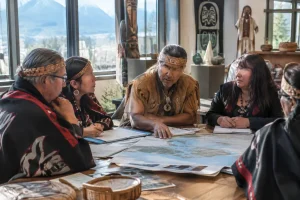
The Arctic shows us how culture and policy connect. Western policymakers were making climate plans, while Inuit communities had been living them for centuries.
Their knowledge of ice, wildlife, and community isn’t just stories. It’s data gathered over generations. This isn’t soft science; it’s hard-won wisdom that makes better environmental policies than any imported solution.
Global citizenship grows by deepening local culture. When Inuit leaders share their wisdom at climate talks, they’re not just representing their people. They’re upgrading our collective operating system.
How Indigenous Knowledge Informs Global Policy
Northern communities have mixed traditional knowledge with modern governance. They’ve created “cultural coding” – policy frameworks that work because they’re written in the language of the land.
These aren’t just old traditions to keep in museums. They’re living systems that show us how to develop sustainably, build resilient communities, and care for the environment. The most effective global solutions often come from specific cultural contexts, showing that globalization doesn’t mean losing cultural diversity.
In global affairs, we’re learning that the best policies come from cultural dialogue, not conference rooms. It seems the future of politics might be found in ancient wisdom.
Inspiring Resilience: How Sports and Action Transform Societies
Resilience isn’t something you’re born with—it’s built through action. Sports play a big role in this.
The Resilience Dividend: When Sports Build Community Fortitude
Sports for change does more than create athletes. It builds strong communities. Neighborhood basketball leagues fight gangs. Swimming programs boost confidence in young people.
These efforts have a big impact locally. They help communities face challenges together.
Case Studies in Transformation: From Playing Fields to Policy Change
New Zealand is a great example. With just five million people, they’ve made rugby a global force. Their $800-plus million deal with News Limited shows sports can bring in resources. The All Blacks’ success over a century shows excellence attracts support.
This isn’t just about winning games. It’s about building a strong community spirit. Sports can be more powerful than laws in making change.