Cyclosporiasis has become a larger public-health concern this summer as U.S. health officials track thousands of illnesses tied to the microscopic parasite Cyclospora cayetanensis. The infection can cause weeks of watery diarrhea, fatigue, stomach cramps, nausea, and appetite loss, with symptoms that may fade and then return.
The Centers for Disease Control and Prevention reported 4,173 laboratory-confirmed domestic cyclosporiasis cases from May 1 through July 20, 2026, across 41 states. CDC also said it was aware of more than 7,400 additional cases reported by state and local health departments that were not yet laboratory confirmed. The agency’s July 21 surveillance update listed 308 hospitalizations and no deaths among confirmed domestic cases.
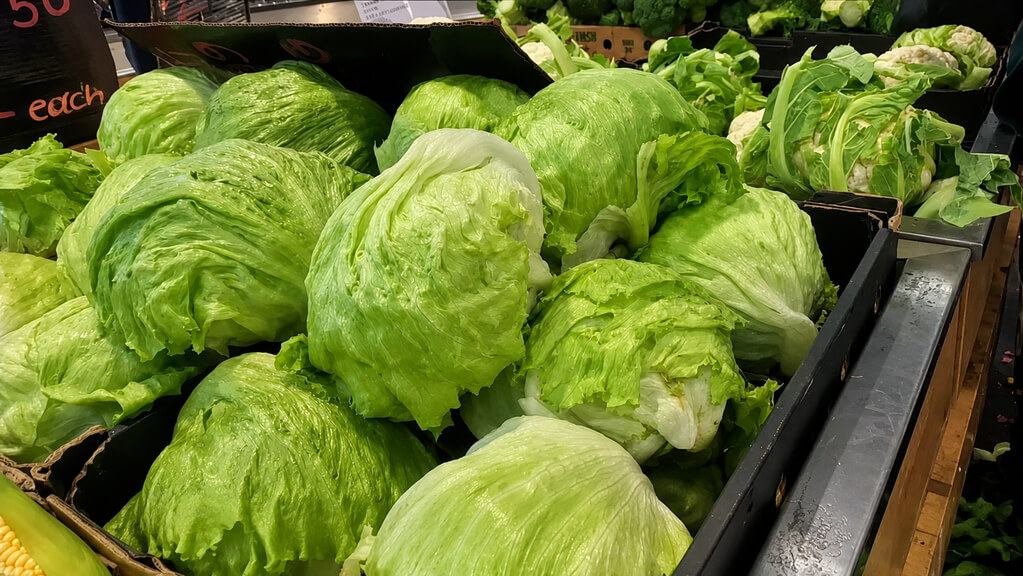
This year’s concern is tied in part to fresh produce. CDC, FDA, and state health officials are investigating multiple clusters, including a multistate outbreak linked to shredded iceberg lettuce in five states. On July 17, 2026, Taylor Farms de Mexico recalled iceberg lettuce sourced from central Mexico after the outbreak investigation raised contamination concerns.
For readers following safe food systems, cyclosporiasis is a reminder that public health begins long before food reaches a kitchen counter. Water quality, field sanitation, harvesting, packing, transport, restaurant sourcing, and household produce handling all shape the final risk.
What Cyclosporiasis Is And Why It Spreads Through Food
Cyclosporiasis is an intestinal illness caused by Cyclospora cayetanensis, a parasite too small to see without a microscope. People become infected by swallowing food or water contaminated with feces carrying the parasite. In the United States, outbreaks have often been linked to fresh produce, including leafy greens, herbs, berries, and vegetable mixes.
The infection is different from many stomach bugs that spread easily from one sick person to another. Cyclospora needs time outside the body to become infectious after it is passed in stool. That delay makes direct person-to-person spread unlikely. The greater risk comes when contaminated water, fields, equipment, hands, or surfaces introduce the parasite into food before it is eaten.
CDC’s cyclosporiasis guidance says symptoms usually begin about one week after exposure, though the window can range from two days to two weeks or longer. That delay can make outbreak investigations hard. A person may have eaten multiple salads, restaurant meals, grocery-store items, or travel meals before illness begins.

The Symptoms That Should Get Attention
The hallmark symptom is watery diarrhea, often frequent and sometimes severe. Many people describe a cycle that feels different from a short stomach virus: symptoms may improve, then come back. Fatigue can remain after stomach symptoms ease, leaving people weak for days or weeks.
Common symptoms include watery diarrhea, appetite loss, weight loss, stomach cramping, bloating, gas, nausea, and fatigue. Less common symptoms include vomiting, body aches, headache, low-grade fever, and other flu-like symptoms.
| Symptom Or Pattern | Why It Matters |
|---|---|
| Watery diarrhea | Most common symptom and often the reason people seek care |
| Fatigue | Can last after diarrhea improves |
| Appetite loss and weight loss | May signal longer illness or dehydration risk |
| Cramps and bloating | Common intestinal signs during infection |
| Relapsing symptoms | Illness can fade and return without treatment |
| Fever or body aches | Less common, but possible during infection |
People with poor health, weakened immune systems, older adults, and anyone at risk of dehydration should take prolonged diarrhea seriously. A diarrheal illness that lasts more than a few days, returns after easing, or follows a recalled food exposure deserves medical attention.
Why Testing Can Be Missed
Cyclosporiasis can be difficult to diagnose if the right test is not requested. Routine stool tests may not look for Cyclospora. CDC warns that patients may need to submit several stool samples on different days, and clinicians may need to request Cyclospora testing by name.
That detail matters during an outbreak. A person may go to urgent care, describe diarrhea and fatigue, receive general advice, and leave without a test that can identify the parasite. Missed testing means missed treatment and missed public-health reporting.
Health departments rely on confirmed reports to connect illnesses, trace foods, and identify contaminated products. When cases go untested, the true size of an outbreak stays partly hidden. That is one reason CDC expects 2026 case counts to keep rising as delayed reports and lab confirmations arrive.
Treatment is available. CDC says cyclosporiasis is treated with trimethoprim-sulfamethoxazole, sold under names such as Bactrim, Septra, or Cotrim. People allergic to sulfa drugs should talk with a healthcare provider about other options. Hydration matters throughout the illness, especially for people losing fluids through frequent diarrhea.
What The 2026 Lettuce Outbreak Shows
The July 2026 outbreak linked to shredded iceberg lettuce shows how a produce-related illness can move through the food system before consumers know what happened. CDC reported more than 1,644 cases, 94 hospitalizations, and no deaths in the five-state outbreak connected to lettuce as of its July 18 update.
Taylor Farms initiated a recall of iceberg lettuce sourced from central Mexico on July 17. The recall covered iceberg lettuce sold at retail stores and restaurants, along with products distributed to food-service customers. FDA’s iceberg lettuce recall listed Taylor Fresh Foods as the company name, possible Cyclospora contamination as the reason, and July 17, 2026 as the company announcement date.
CDC told consumers, restaurants, and retailers not to eat recalled lettuce and to throw it away or return it. It also advised washing items and surfaces that may have touched the recalled lettuce using hot soapy water or a dishwasher.
The outbreak does not mean all lettuce is unsafe. It means consumers should check recall information, ask restaurants about lettuce source when needed, and avoid eating recalled products. When a recall names a product, disposal is safer than trying to wash it clean.
How To Handle Produce More Safely At Home
Produce safety starts with basic habits, but those habits have limits. Washing can reduce dirt and some contamination. It cannot guarantee Cyclospora removal from every surface, fold, stem, or damaged area. Cooking can kill the parasite, with CDC noting that produce cooked to at least 158°F, or 70°C, can kill Cyclospora.
The safest household approach is layered protection:
Wash hands with soap and water before and after handling raw fruits and vegetables. Rinse produce under running water before eating, cutting, or cooking, including items labeled pre-washed. Scrub firm produce, such as melons and cucumbers, with a clean produce brush. Cut away bruised or damaged areas before preparing. Refrigerate cut, peeled, or cooked fruits and vegetables within two hours. Keep recalled food out of the kitchen, and clean drawers, cutting boards, knives, counters, bowls, and refrigerator shelves that may have touched it.
Those steps reduce risk from many foodborne pathogens, not just Cyclospora. They also protect people from cross-contamination, which can occur when contaminated juices, soil, tools, hands, or surfaces move microbes from one food to another.
What Travelers Should Know
Cyclosporiasis is more common in tropical and subtropical regions. Travelers can reduce risk by being careful with raw produce, untreated water, ice, and foods washed in water that may not be safe. Routine chemical disinfection or sanitizing may not kill Cyclospora reliably, which makes food choice and water safety important.
Travelers should be cautious with raw salads, uncooked herbs, unpeeled fruits, and foods rinsed in uncertain water. Bottled, boiled, or treated water from trusted sources is safer than tap water in higher-risk areas. Hot cooked food served fresh carries less risk than raw produce exposed to unsafe water or handling.
A returning traveler with watery diarrhea that lasts, relapses, or begins about a week after travel should mention travel history and possible food exposure to a healthcare provider. That context can help clinicians order the right stool testing.
When To Call A Healthcare Provider
Many stomach illnesses pass quickly. Cyclosporiasis often does not. People should contact a healthcare provider if diarrhea lasts more than a few days, returns after improving, follows a known recalled-food exposure, or comes with dehydration signs such as dizziness, very little urination, dry mouth, rapid heartbeat, or weakness.
Medical care is more urgent for young children, older adults, pregnant people, people with weakened immune systems, and anyone with chronic illness that can worsen during dehydration. A patient should say clearly: “Could this be Cyclospora?” That question may prompt the specific stool test routine screening can miss.
Public-health reporting matters too. If a health department contacts a sick person, food-history questions may feel detailed. They are there to identify contaminated foods and stop more illnesses. The two weeks before symptoms began can be especially useful for investigators.
The Bigger Food-Safety Lesson
Cyclosporiasis is not only a kitchen problem. It is a food-system problem that reaches from farms to factories, trucks, restaurants, grocery stores, and homes. A consumer can wash produce carefully and still face risk if contamination occurred earlier in the chain. A restaurant can follow safe handling practices and still receive a recalled ingredient. A farm can produce safe food most of the time yet face contamination through water or sanitation failures that are hard to detect.
That is why prevention must be shared. Growers need safe water and field sanitation. Packers need clean equipment. Distributors need traceability. Restaurants need recall alerts that reach managers fast. Consumers need clear instructions that do not blame them for risks created upstream.
The safest response to cyclosporiasis is not panic. It is attention: watch symptoms, check recalls, handle produce carefully, ask about lettuce sources during active alerts, and seek testing when watery diarrhea does not behave like an ordinary stomach bug.