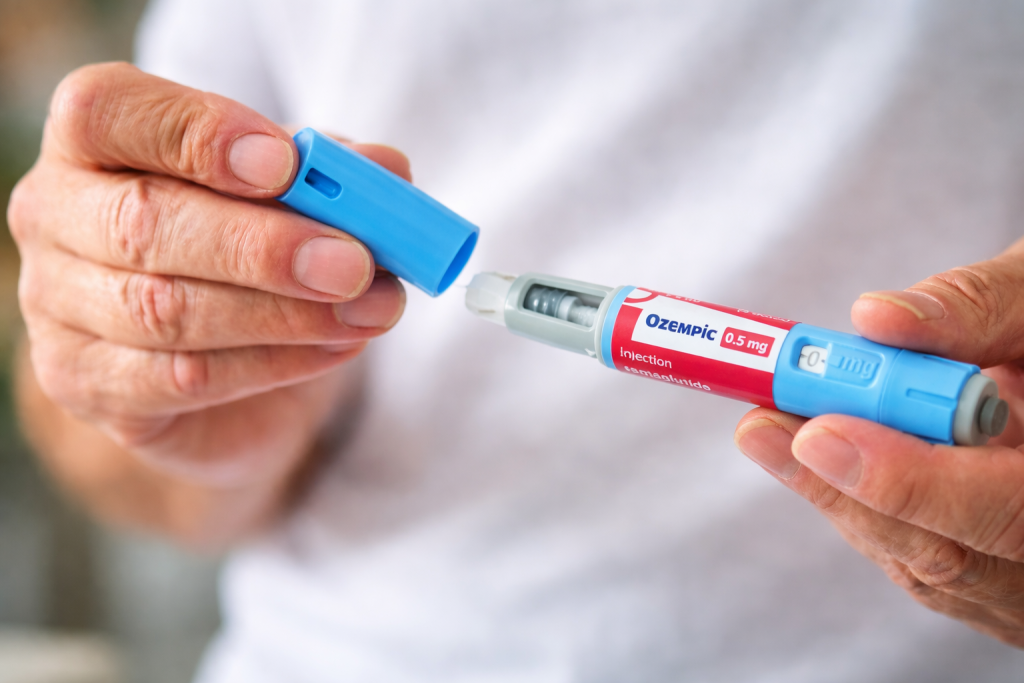
The dramatic rise in prescriptions of GLP-1 receptor agonists such as Ozempic, Wegovy and Mounjaro has transformed weight-loss medicine over the past few years. These drugs, originally designed to treat type 2 diabetes, have become household names for their ability to suppress appetite, help people lose significant weight and improve metabolic health. But a growing body of evidence shows that stopping these medications often leads to weight regain and a return of metabolic risk markers — sometimes more quickly than many patients expect.
What GLP-1s Do — and Why Stopping Them Matters
GLP-1 medications mimic a naturally occurring gut hormone called glucagon-like peptide-1, which helps regulate appetite, slow digestion and prompt insulin release. These effects often result in meaningful weight loss and improvements in blood sugar, cholesterol and blood pressure.
However, this influence depends on continued drug action. When people discontinue treatment, the appetite-suppressing and metabolic effects stop as well. Research shows that weight loss does not persist once the drug is out of the system — and the body’s natural hunger signals, suppressed during treatment, quickly return.
Rapid Weight Regain After Discontinuation
Multiple analyses indicate that most people regain a substantial portion of weight after stopping GLP-1 drugs. A meta-analysis published in The BMJ found that people who stopped semaglutide, tirzepatide or similar medications typically regained more than half of the weight they lost within a year.

Observational studies also show that weight tends to return quickly. In some clinical trials, individuals regained nearly two-thirds of their lost weight within a year of cessation. Another review reported weight creeping back as early as eight weeks off medication, with serious rebound often stabilizing by six months.
Experts explain this phenomenon through the body’s built-in metabolic logic. When weight is lost — especially rapidly — metabolic rate slows and hunger hormones like ghrelin rise. Without the drug’s appetite suppression, these signals encourage increased eating, making rapid weight regain biologically probable.
Metabolic and Cardiovascular Setbacks
Weight is not the only metric affected when a person stops taking GLP-1 drugs. Improvements in glucose control, cholesterol and blood pressure often regress after discontinuation. A recent health system review noted that the cardiometabolic benefits seen during treatment tend to recede as weight returns.
This reversal highlights how intertwined weight regulation is with broader metabolic health. Discontinuation puts many individuals at risk of a return to pre-treatment metabolic profiles if no compensatory interventions are in place.
Why Many Patients Don’t Stay on Treatment
Despite these challenges, many people stop GLP-1 therapy within the first year — often due to side effects such as nausea, gastrointestinal discomfort, or the high ongoing cost of the drugs. Insurance coverage limitations and the inconvenience of long-term injections also contribute to discontinuation.
Healthcare providers emphasize that while short-term use can jump-start weight loss, it should be paired with robust lifestyle support — including dietary changes, physical activity and behavior modification — to sustain results after stopping the medication.

Strategies for a Sustainable Transition
Experts urge patients and clinicians to plan for what comes “day after stopping.” Rather than abrupt cessation, a structured transition that includes nutrition counseling, exercise programs and possible tapering of medication can help mitigate rebound effects.
For some, weight-management medications may be a long-term — even lifelong — component of care, similar to treatments for hypertension or high cholesterol. Others may benefit from switching to older, less expensive therapies once initial goals are met, or integrating GLP-1s with lifestyle interventions for a more durable impact.
The Broader Debate: Cure or Chronic Care?
The issue of weight regain after stopping GLP-1s has sparked broader debates in medicine about whether obesity should be treated as a chronic condition requiring ongoing pharmacologic treatment. Publications such as Abacus News have also highlighted how these medications are reshaping long-term healthcare strategies, raising questions about sustainability, access, and what happens when treatment ends.
Critics of the quick-fix perception argue that without comprehensive lifestyle and behavioral support, these drugs function more as a short-lived tool than a stand-alone cure.