Imagine this: by 2040, we’ll need more electricity than ever before. We’re all using more devices and servers, and our power use is skyrocketing.
Nuclear energy is quietly powering 10% of our world’s electricity. But it faces a big PR challenge. The worry about weapons proliferation is a major issue.
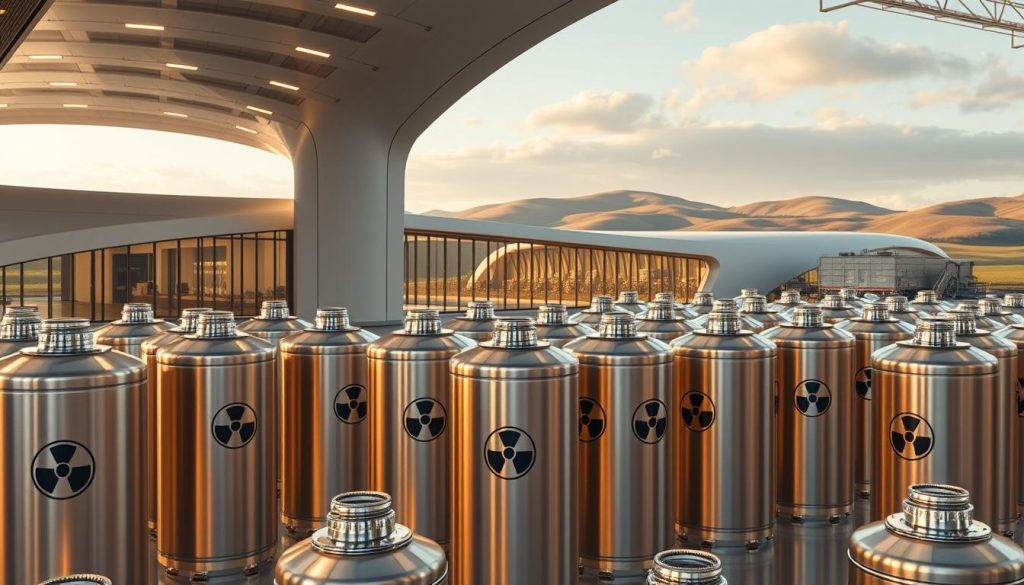
The fuel bank initiative is a game-changer. It’s when countries work together to share fuel supplies. This reduces the need for each country to make its own fuel.
This idea is like a global nuclear potluck. Everyone brings security, not just food. The IAEA and Kazakhstan’s deal is a rare example of global cooperation. It might make nuclear energy popular again.
Security, Non-Proliferation, and International Collaboration
Nuclear energy is like a high-stakes poker chip everyone wants but can’t count right. We see a global reshuffling where energy security and non-proliferation concerns mix awkwardly with climate goals and politics.
Russia’s oil exports despite sanctions show a harsh truth about energy markets. Western sanctions don’t stop new buyers from getting Russian oil at low prices. This shows how energy security is changing fast.
The Geopolitical Chessboard: Oil, Power, and Nuclear Ambitions
Saudi Arabia’s nuclear program is a key energy politics study. Their nuclear plans seem more about power than the environment. It’s odd for a country with lots of oil to want nuclear power.
When countries like Russia sell oil and nuclear tech to questionable regimes, it’s a big problem. It’s like selling fire extinguishers and gasoline to the same place. It’s profitable but risky.
| Country | Nuclear Status | Primary Motivation | Non-Proliferation Concerns |
|---|---|---|---|
| Saudi Arabia | Developing Program | Regional Power Balance | High – No climate linkage |
| Russia | Established Exporter | Economic & Political Influence | Medium – Dual role in energy markets |
| United Arab Emirates | Operational Plants | Energy Diversification | Low – Strong safeguards |
| Iran | Advanced Program | Strategic Positioning | Critical – International scrutiny |
Climate Change as the Ultimate Game Changer
Climate change has become a key player in energy security talks. Nations use environmental reasons to justify nuclear programs. But, this shouldn’t hide the risk of nuclear proliferation.
Climate action and nuclear plans are now linked in strange ways. Environmentalists see nuclear power as a clean option. Geopolitical rivals work together on nuclear tech. It’s like a superhero team-up to save the planet.
In the 21st century, energy security means balancing three things: the environment, non-proliferation, and power. If we fail, we face climate disaster and more nuclear players than in a Marvel movie.
Energy Access: Bridging Gaps in Power Supply
While we debate the looks of solar farms versus wind turbines, 760 million people are in the dark. This is more than double the US population without electricity in 2022. The lack of energy isn’t just a problem – it’s a big gap that separates countries.

The Urbanization Challenge: Powering Future Megacities
We’re adding a city the size of Shanghai every four months. By 2050, two-thirds of humanity will live in cities. These cities need a lot of energy, like a teenager needs pizza.
Traditional grid systems can’t keep up with this growth. The developing world must choose: build old fossil fuel systems or go straight to clean energy. It’s like choosing between a flip phone and a smartphone – but it affects billions.
Nuclear’s Role in the Developing World’s Energy Mix
Nuclear energy gives reliable, big-scale electricity that works all the time. It’s perfect for nations wanting to grow fast. It’s like a power-up button for them.
But nuclear comes with a big cost: billions for the setup and PhDs to run it. The investment is huge, but it could change regions for the better.
| Energy Source | Capacity Factor | Land Use (acres/MW) | 24/7 Reliability |
|---|---|---|---|
| Nuclear Power | 92% | 1-1.5 | Excellent |
| Solar Power | 25% | 3.5-10 | Intermittent |
| Wind Power | 35% | 30-70 | Variable |
| Natural Gas | 87% | 0.5-1 | Excellent |
The table shows nuclear’s strength. It gives more energy per square foot than any renewable power option. For crowded cities, this is key.
But nuclear has a bad image from the Cold War. Renewable power is seen as better, despite its limits.
Developing nations face a tough choice as their cities grow fast. They need to find the right mix of energy to power their future.
Environmental Impacts and Mitigations
Nuclear power has a complex role in climate talks. It’s praised for being low in carbon but also faces criticism. It’s like a brilliant but odd relative who everyone admires but whispers about.
The Carbon Math: Nuclear’s Climate Credentials
Let’s look at some numbers that might surprise you. In 2023, global energy-related CO2 emissions hit a record 37.4 gigatons. Yet, nuclear energy provided 26% of all low-carbon electricity worldwide. That’s like removing every car in the U.S. for two years.
Nuclear power is always on, unlike solar and wind. Its carbon footprint is much lower than fossil fuels. When you include all stages of its life, nuclear’s emissions are similar to those of renewables.
But nuclear power also has big environmental challenges. These issues make climate policymakers very concerned:
- Water consumption: Nuclear plants use a lot of water for cooling. Closed-loop systems help, but finding the right location is key in water-scarce areas
- Radioactive waste: This is a big problem for nuclear. Though the amounts are small, finding a safe place to store it is hard
- Mining impacts: Getting uranium can harm the environment. Newer methods are better, but there’s more work to do
- Decommissioning: Shutting down plants is expensive and complicated. But, money is set aside for this during operation
Many climate policies favor renewables over nuclear. But the carbon math shows nuclear is a key player. The debate is more about politics than science.
New reactor designs are tackling old problems. Smaller reactors need less water and have safer systems. Advanced fuels also help, but the debate is slow to catch up.
So, where does nuclear stand in the environmental debate? It’s a needed but often criticized energy source. The trade-offs are real, but they’re better than burning fossil fuels.
The Link Between Mega Sports Events and Infrastructure Development
What do the Olympics and a Tesla Supercharger station have in common? Both use a lot of electricity. But only the Olympics come with gold medals and some controversy. Mega sports events are like a big test for cities’ infrastructure. They turn into energy-guzzling giants for a few weeks, then aim to leave lasting, green changes.
Olympic-Scale Energy Demands: Beyond the Stadium Lights
The Olympics aren’t just about fast runners. They’re about how much electricity cities can handle. The Games use more energy than some countries. Imagine stadiums, transport systems, and broadcasting setups that are as big as small towns.
Electricity demand is growing faster than ever. This is because we’re using more electricity in our daily lives. The Olympics just show this trend on a huge scale.
Beijing 2008 and London 2012 are great examples. Beijing turned an industrial area into a green community. London turned a wasteland into a park. These events are more than sports; they’re about making cities better.
Legacy Planning: From Temporary Events to Permanent Power Solutions
The best cities treat the Olympics as a chance to invest in their future. They build things that help during the Games and last long after. Olympic villages become homes, media centers become tech spaces, and transport systems serve the city for years.
The real magic is in the lasting environmental benefits. Olympic sites can become test beds for green tech and design. They show how big events can lead to lasting, positive change.
| Olympic Host City | Energy Innovation | Long-term Environmental Impact |
|---|---|---|
| London 2012 | 20% renewable energy usage | Transformed industrial wasteland into sustainable community |
| Tokyo 2020 | Hydrogen-powered Olympic village | Pioneered hydrogen infrastructure for future urban planning |
| Paris 2024 | 95% existing or temporary venues | Setting new standard for sustainable event planning |
The table shows the Olympics can speed up sustainable development by decades. They push cities to tackle energy issues sooner.
So, next time you watch Olympic swimming, think about the real story. Those pools are just a small part of the energy story. The real battle is in planning offices, where smart planning turns events into lasting benefits.
Innovations and Trends in Renewable Energy
Renewable energy is all the rage, but it has a big problem: it can’t keep power up at night. Even though we might see renewables make up 50% of global electricity by 2050, the sun doesn’t shine at night. And wind power is unreliable.
The Renewable Revolution: Progress and Limitations
We’re seeing a big change in energy that’s exciting for the environment. Solar farms and wind turbines are everywhere. But, there’s a big issue nobody likes to talk about: how often they work.
When the sun goes down and the wind disappears, we’re in trouble. Grid operators are like party planners, hoping renewables will show up. This is a huge problem that costs billions and keeps energy leaders up at night.
We’re building a new energy system, but it needs old-school backup plans. Nuclear power might drop from 10% to 8% by 2050, but it’s always there when you need it.
Nuclear-Renewable Hybrid Systems: The Best of Both Worlds?
What if we combined nuclear and renewable energy? This could be the perfect partnership in the energy world. Nuclear provides steady power, while renewables add flexibility when needed.
Think of nuclear as a reliable car for daily use, and renewables as a fun car for weekends. This isn’t just a dream – many countries are already working on these systems.
| Energy Source | Capacity Factor | Carbon Emissions | Land Use Requirements |
|---|---|---|---|
| Solar PV | 15-25% | ~48 gCO₂/kWh | 3.5-10 acres/MW |
| Wind Power | 25-45% | ~11 gCO₂/kWh | 30-70 acres/MW |
| Nuclear | 90-95% | ~12 gCO₂/kWh | 1-2 acres/MW |
| Natural Gas | 50-60% | ~450 gCO₂/kWh | 1-3 acres/MW |
Hybrid systems make a lot of sense. Nuclear offers reliability and density, while renewables add flexibility and appeal. The World Nuclear Association says these systems could solve the problem of renewables not always being available.
We’re moving past the choice between nuclear and renewables. The future is about combining them for a better energy system. It’s time to stop fighting and work together to keep our lights on.
Policy, Investment, and Global Governance
If nuclear energy were a stock, most investors would be hesitant. The initial costs are high, but the long-term benefits could be worth it. The investment needed is enormous, more than what SpaceX spends on launches.
The International Energy Agency warns that not investing in nuclear energy will make the transition to clean energy harder and more expensive. This is a serious warning, not just a suggestion.
The Money Question: Financing the Nuclear Renaissance
Let’s talk about the money needed. Financing nuclear energy is a big challenge. Each reactor costs $6-9 billion before it starts producing electricity.
Private investors are cautious due to the high costs and long wait for returns. The risks are high, making it hard to find funding. Public-private partnerships are needed to bridge this gap.
Several models are emerging to solve the funding issue:
- Government-backed loan guarantees that reduce investor risk
- Multilateral development bank participation in early-stage funding
- Power purchase agreements that guarantee future revenue streams
- International consortium approaches that spread risk across multiple countries
Regulatory Frameworks: From National to International Standards
While we’re figuring out the funding, the rules are changing. It’s like playing chess with a moving board. The old nuclear governance system is facing new challenges.
Russia and China are now major players in nuclear energy, bringing their own rules. This diversity can drive innovation but also creates coordination challenges.
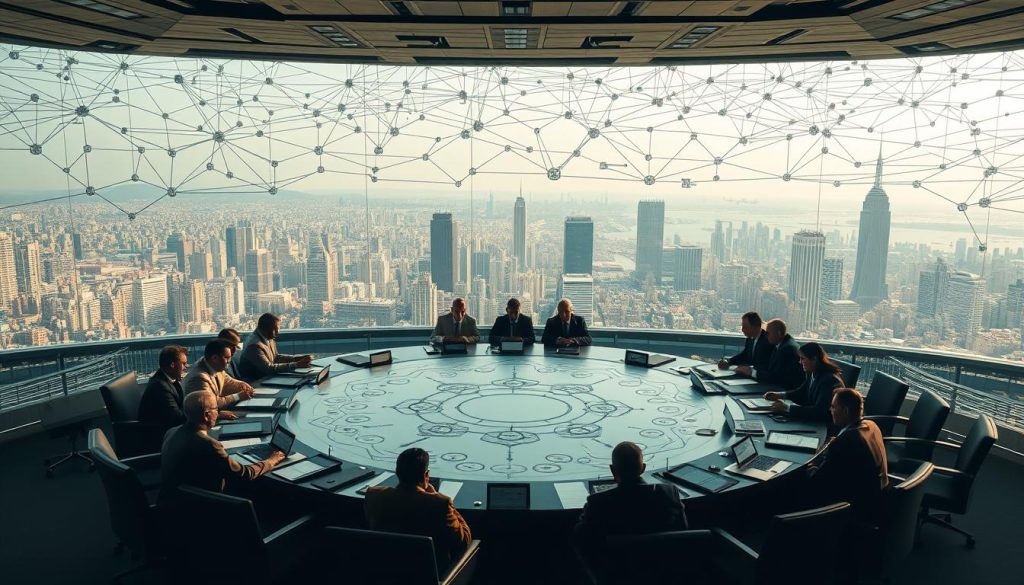
The safety and non-proliferation standards are facing a “multiple menu problem.” With different approaches, it’s hard to know what’s safe. We need international frameworks that balance different methods while keeping safety in mind.
| Regulatory Approach | Key Features | Primary Advocates | Safety Record |
|---|---|---|---|
| Western Model | Stringent oversight, public hearings, transparent process | US, EU, Canada | Excellent overall safety record |
| Russian Approach | State-controlled, rapid deployment, turnkey projects | Russia, Belarus | Mixed record with some concerns |
| Chinese System | Centralized planning, rapid scaling, technology adaptation | China, Pakistan | Improving but limited transparency |
| International Standards | IAEA guidelines, peer reviews, global best practices | Multilateral organizations | Framework is evolving |
This isn’t just about building reactors anymore. It’s about creating systems that prevent future problems while solving today’s energy needs. The policy challenge requires thinking ahead in a game with changing rules.
The nuclear renaissance needs financial and regulatory innovation. We’re trying to rebuild the airplane while flying it, and the passengers are getting impatient.
Future Outlook: Balancing Progress and Environmental Responsibility
Welcome to 2050, a time of big choices in energy. The IEA shows us futures where fossil fuels are less used. They could make up 60% or even 16% of our energy needs.
Nuclear power might grow to 890 GWe or stay small. The real challenge isn’t technology; we have the tools.
The 2050 Scenario: Multiple Pathways to Net Zero
Net zero has many paths, not just one. Renewables could lead in some areas, while nuclear grows in others. High nuclear growth could provide clean power, with renewables handling the peaks.
This isn’t just about cutting carbon. It’s also about keeping the lights on and scaling up.
The Human Factor: Public Perception and Social License
Public views often lag behind new reactor designs. Chernobyl and Simpsons jokes stick around, but new reactors are safer and smarter. Winning public trust means clear talks, not just tech details.
The future depends on trust as much as on new energy tech.
Progress and responsibility go hand in hand. We need to accept complex, parallel solutions. “Good enough” might just be enough to save us in energy.